The Ionian — the Eptanese
The seven islands never fell to the Ottomans. Four hundred years of Venice, then France, then Britain, left a Greece with cricket pitches, arcaded streets and its own operatic tradition — and cypress forest running down to the water.
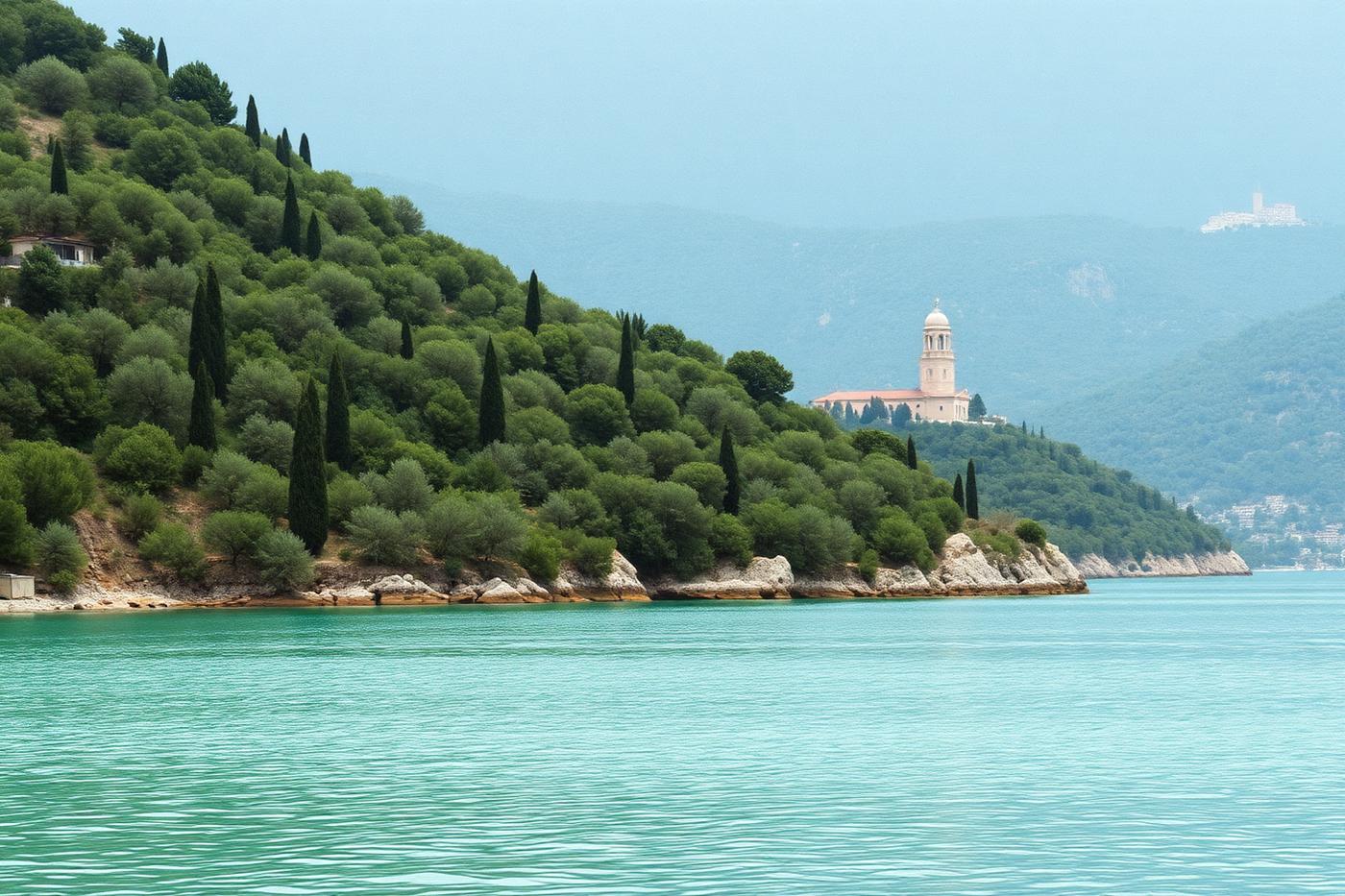
North-east Corfu 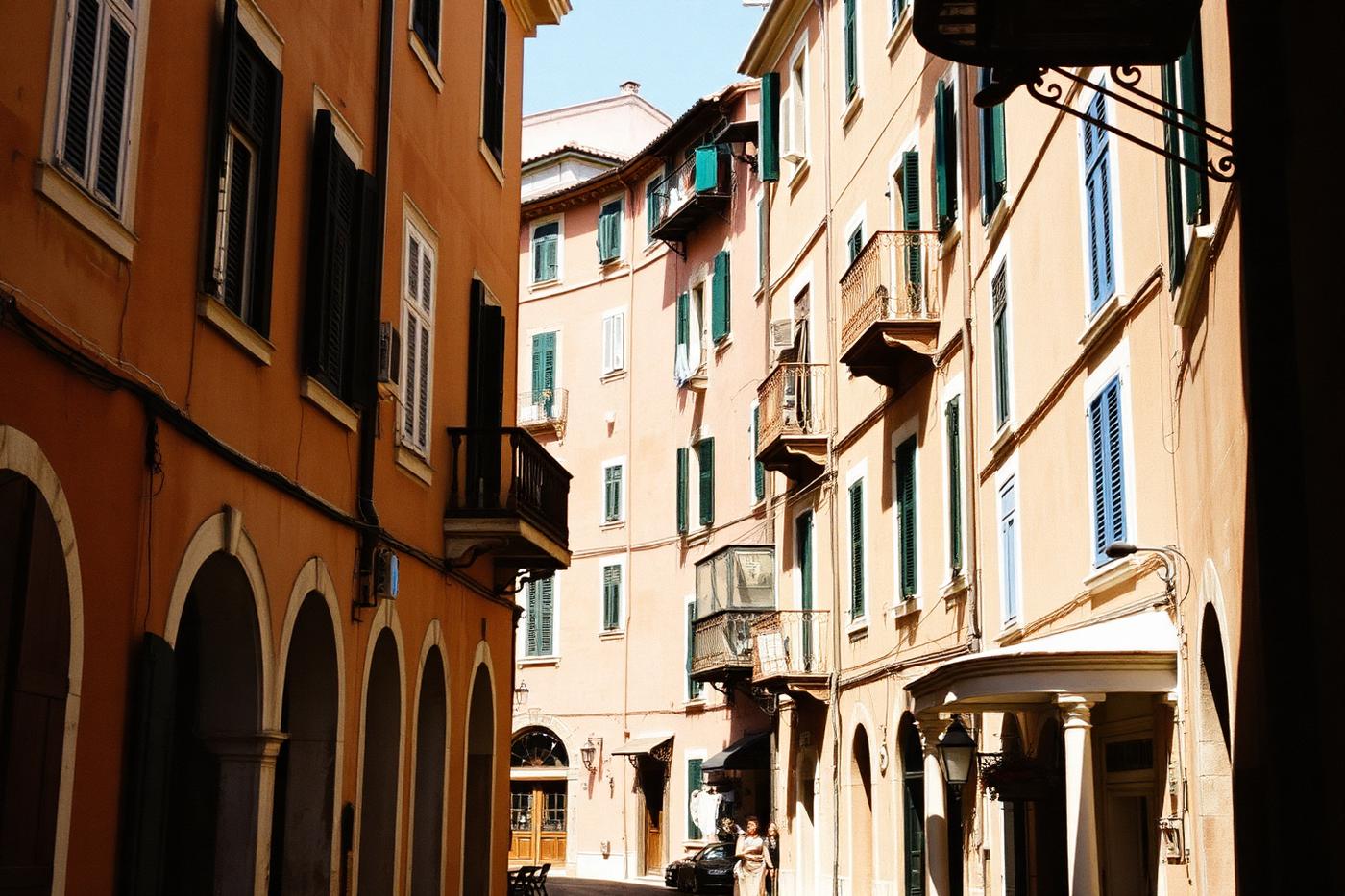
Off Antipaxos - Image slotA day boat to Antipaxos — Ionian (Eptanese). Two beaches with Caribbean water, twenty minutes off Paxos, empty by six.
- Image slotThe Myrtos road — Ionian (Eptanese). Kefalonia's west coast from above — one of the great European coastal drives.
- Image slotCorfu Town on foot — Ionian (Eptanese). Venetian fortresses, the Liston arcade, and a Sunday philharmonic band that has played since 1840.
- Image slotIthaca, slowly — Ionian (Eptanese). Two harbours, a hill village, and the least developed island in the group.
The character of the place
The Ionian is the wet side of Greece, which is why it is green when the Aegean is bone-coloured. Corfu's interior is olive and cypress; Kefalonia has fir forest on Mount Ainos and a cliff road above Myrtos that is worth the flight on its own.
Culturally these islands are the odd ones out. Corfu Town is a Venetian city with French arcades and a British palace, and the food shows it too — pastitsada, sofrito, bourdeto owe more to Italy than to Athens.
For Maltese travellers this is the natural first Greece: the shortest journey, an architecture that is legible from home, and a sea that behaves.
Worth the day
A day boat to Antipaxos
Two beaches with Caribbean water, twenty minutes off Paxos, empty by six.
The Myrtos road
Kefalonia's west coast from above — one of the great European coastal drives.
Corfu Town on foot
Venetian fortresses, the Liston arcade, and a Sunday philharmonic band that has played since 1840.
Ithaca, slowly
Two harbours, a hill village, and the least developed island in the group.
Where to base yourself
Corfu Town or the north-east coast
The city for architecture and food; Kassiopi-to-Agni for the olive-and-cypress shoreline.
Fiskardo or Assos, Kefalonia
The two villages that survived the 1953 earthquake, both Venetian, both on the water.
Paxos
A single olive island with three harbours and no airport. The most discreet address in the Ionian.
What to skip
Kavos, Laganas and the Zakynthos party strip — and Navagio by day boat, when forty vessels arrive together.
Three ways this region is travelled
Worked examples, not products. Each opens day by day, with the route drawn on a map.
7 days · May – October
Corfu and Paxos, at walking pace
- Corfu Town
- Kassiopi
- Paxos
A Venetian town, an olive-and-cypress coastline, and one unhurried island with no airport at all.
8 days · May – October
Kefalonia and Ithaca, coast and quiet
- Fiskardo
- Assos
- Vathy, Ithaca
The Myrtos coast road, two villages that survived 1953, and Ithaca's undeveloped harbours.
6 days · May – early October
A week under sail from Lefkada
- Nydri
- Meganisi
- Kioni, Ithaca
- Fiskardo
Short crossings, reliable afternoon breeze, and no meltemi to contend with.
Pairs well with
- Epirus & Zagori
The mountains rise directly behind the Ionian coast. Two hours from Corfu's ferry port to Zagori.
- Peloponnese
Drivable via Patras — Venetian islands, then Mycenaean citadels.