The Cyclades — off the grid
One ferry stop away from the famous Cyclades is a second set of islands with the same geology and none of the traffic. This is where Athenians go.
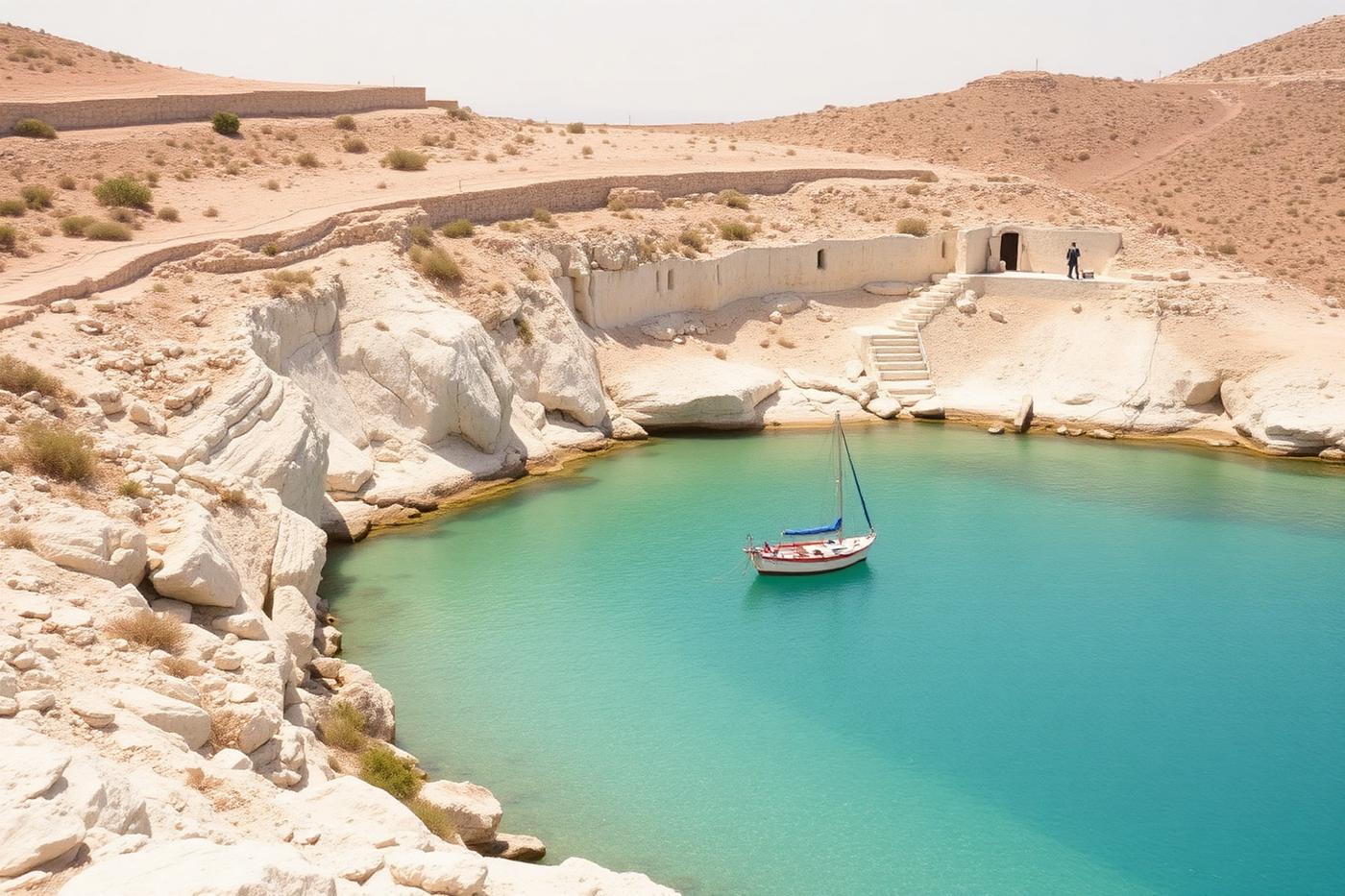
Sarakiniko, Milos 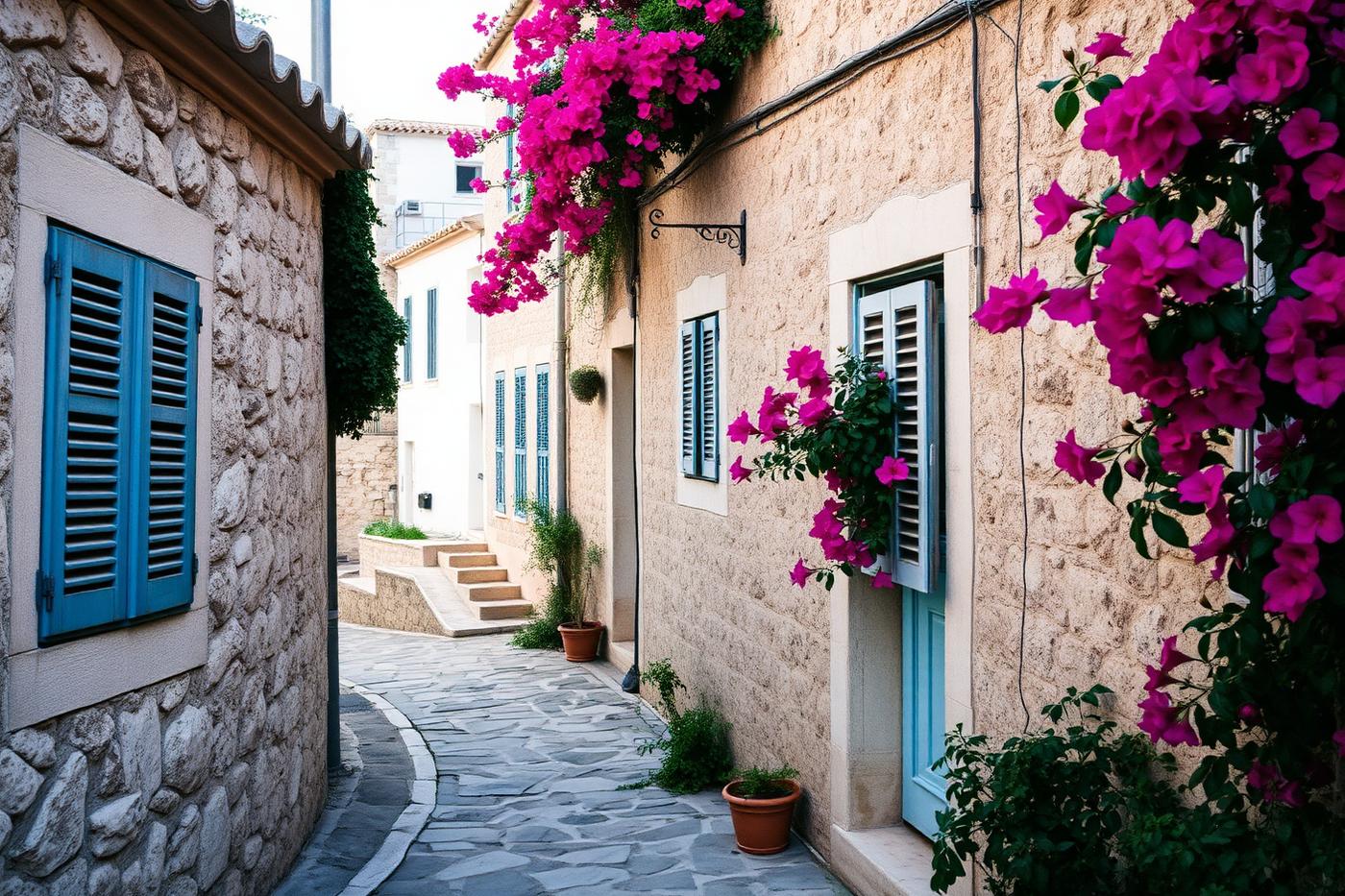
The Sifnos paths - Image slotMilos by boat, all day — Cyclades (off-grid). Kleftiko's sea caves, Sykia's collapsed roof, and coves with no land access at all.
- Image slotThe Sifnos footpath network — Cyclades (off-grid). Two hundred kilometres of waymarked old paths between villages, monasteries and bays.
- Image slotPanagia Hozoviotissa, Amorgos — Cyclades (off-grid). A white monastery pinned to a vertical cliff three hundred metres above the sea.
- Image slotClay-pot cooking — Cyclades (off-grid). Revithada and mastelo, cooked overnight in a wood oven, eaten on Sunday like everyone else.
- Image slotThe Lion of Kea — Cyclades (off-grid). A smiling archaic lion cut from the rock above Ioulida, reached on foot in twenty minutes.
- Image slotKolona, Kythnos — Cyclades (off-grid). A sandbar with sea on both sides, best swum to from a boat before the afternoon wind.
The character of the place
Milos is a volcanic island of eighty-odd beaches, most of them reachable only by sea, and rock formations — Sarakiniko above all — that look like poured wax. Sifnos is the Cyclades' kitchen: a tradition of clay-pot cooking and the best village walking network in the group.
Folegandros is a single cliff-top village and a road that ends. Amorgos is a long thin ridge with a monastery glued to a rock face and the clearest water in the Aegean. Serifos and Kimolos are still, in 2026, genuinely undiscovered by anyone but Greeks.
Kea (Tzia) and Kythnos are the nearest of all — an hour from Lavrio, close enough that Athenians keep houses there and foreign visitors almost never appear. Kea is oak-covered and green for a Cycladic island, with a stone-path network running down to Otzias and Koundouros and the archaic lion carved into the hillside above Ioulida. Kythnos is quieter still: thermal springs at Loutra, the double-sided sandbar at Kolona, and villages where nothing has been prettified.
None of these islands has an airport worth the name except Milos, which means they filter their own visitors. That is exactly the point.
Worth the day
Milos by boat, all day
Kleftiko's sea caves, Sykia's collapsed roof, and coves with no land access at all.
The Sifnos footpath network
Two hundred kilometres of waymarked old paths between villages, monasteries and bays.
Panagia Hozoviotissa, Amorgos
A white monastery pinned to a vertical cliff three hundred metres above the sea.
Clay-pot cooking
Revithada and mastelo, cooked overnight in a wood oven, eaten on Sunday like everyone else.
The Lion of Kea
A smiling archaic lion cut from the rock above Ioulida, reached on foot in twenty minutes.
Kolona, Kythnos
A sandbar with sea on both sides, best swum to from a boat before the afternoon wind.
Where to base yourself
Plaka or Pollonia, Milos
Plaka for the sunset and the lanes; Pollonia for swimming off the rocks before breakfast.
Kastro or Apollonia, Sifnos
A Venetian citadel on a headland, or the walkable inland capital with the food.
Chora, Folegandros
One of the two or three most beautiful village squares in Greece, closed to cars.
Ioulida, Kea
An amphitheatre of a village an hour from Athens by sea, with paths leaving from the edge of it.
What to skip
Trying to do more than two of these islands in a week. The ferry timetable will beat you.
Three ways this region is travelled
Worked examples, not products. Each opens day by day, with the route drawn on a map.
8 days · June – September
Milos by sea, Sifnos on foot
- Athens
- Plaka, Milos
- Pollonia, Milos
- Kastro, Sifnos
- Apollonia, Sifnos
One volcanic island explored almost entirely by boat, one paired island explored almost entirely on foot — the two best-matched textures in the off-grid Cyclades.
7 days · June – September
Two cliff islands, one ridge
- Athens
- Chora, Folegandros
- Chora, Amorgos
- Aegiali, Amorgos
Folegandros's car-free square, then Amorgos's long thin ridge and the monastery pinned to its cliff face — the two most dramatic silhouettes in the off-grid Cyclades.
6 days · May – June, September – October
The near islands, close and quiet
- Lavrio
- Ioulida, Kea
- Loutra, Kythnos
- Serifos Chora
The three islands nearest Athens, strung together on short local ferries from Lavrio rather than the Piraeus main line.
Pairs well with
- Cyclades (classic)
The obvious and correct pairing — one famous island, one quiet one.
- Athens & Argo-Saronic
Everything routes through Piraeus; make Athens part of the trip.