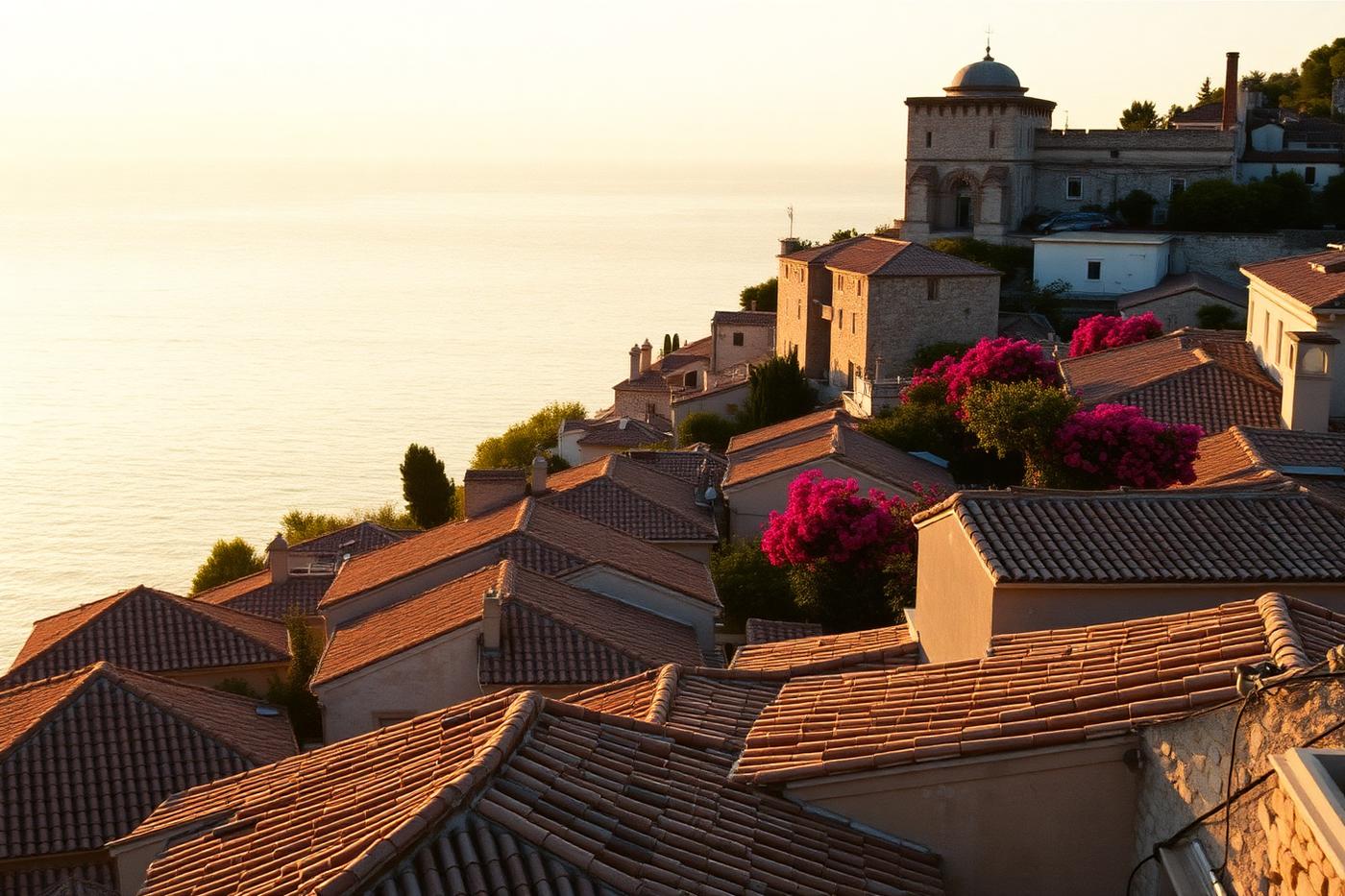
Santorini, before the ships 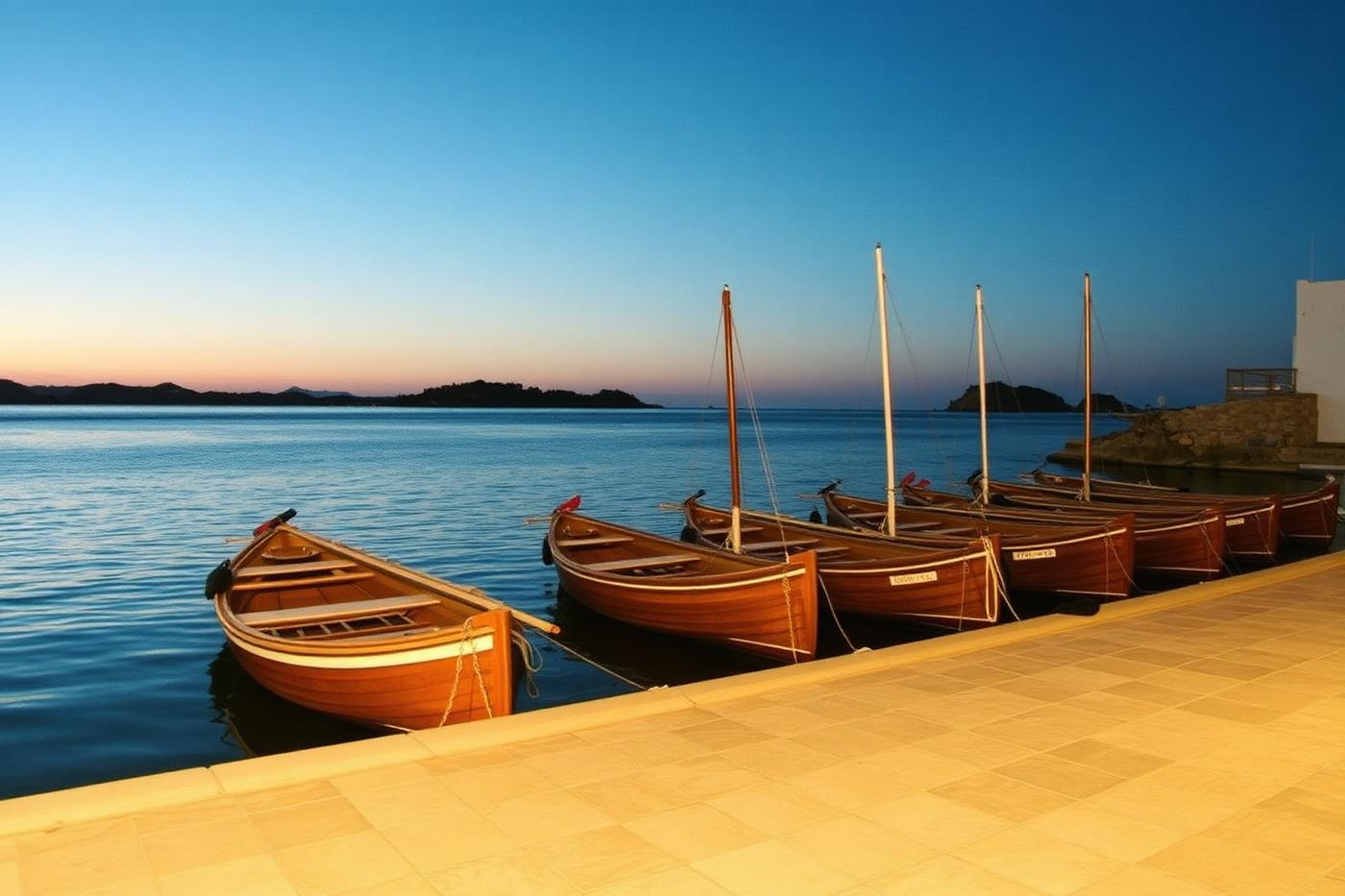
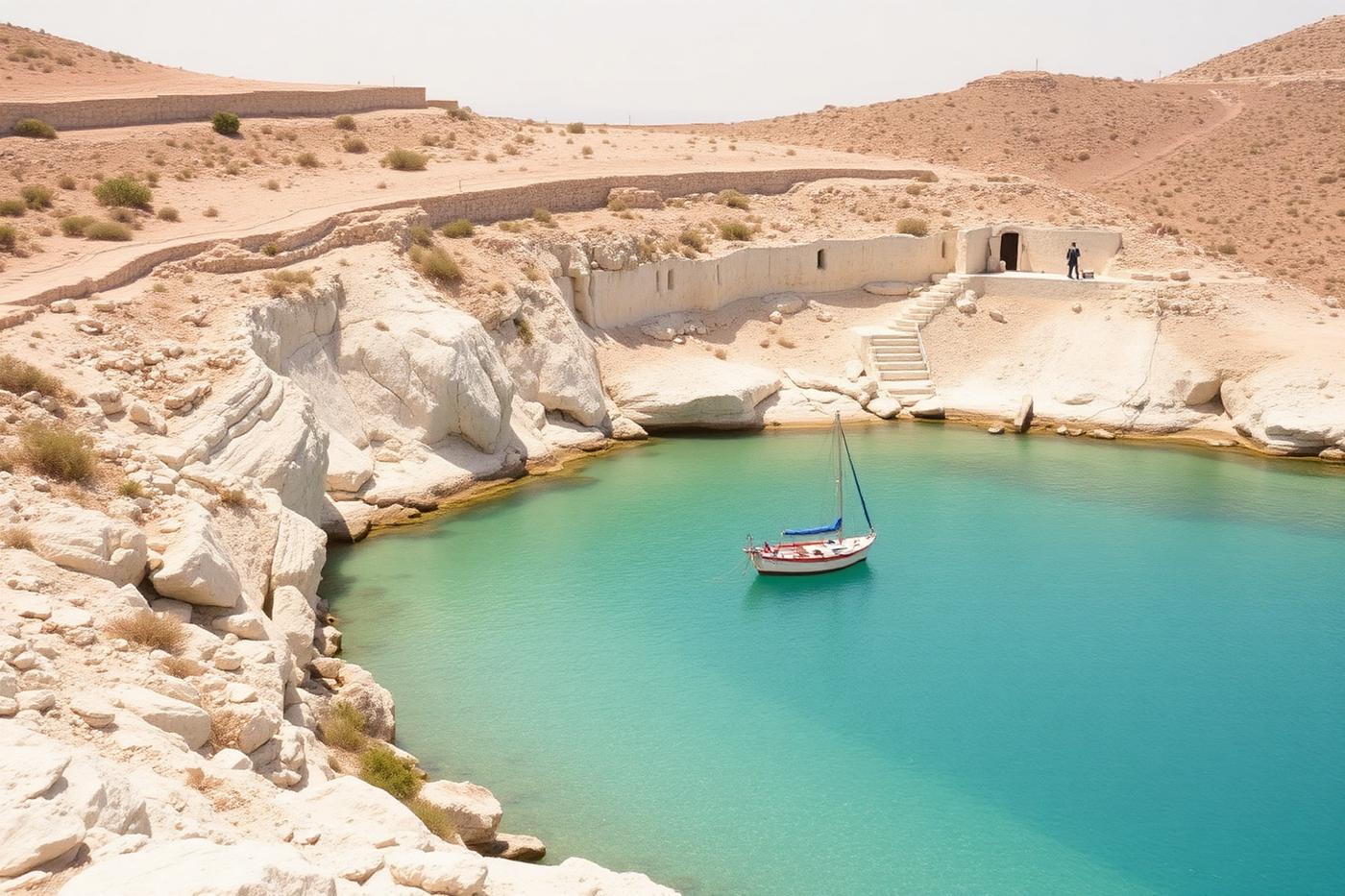
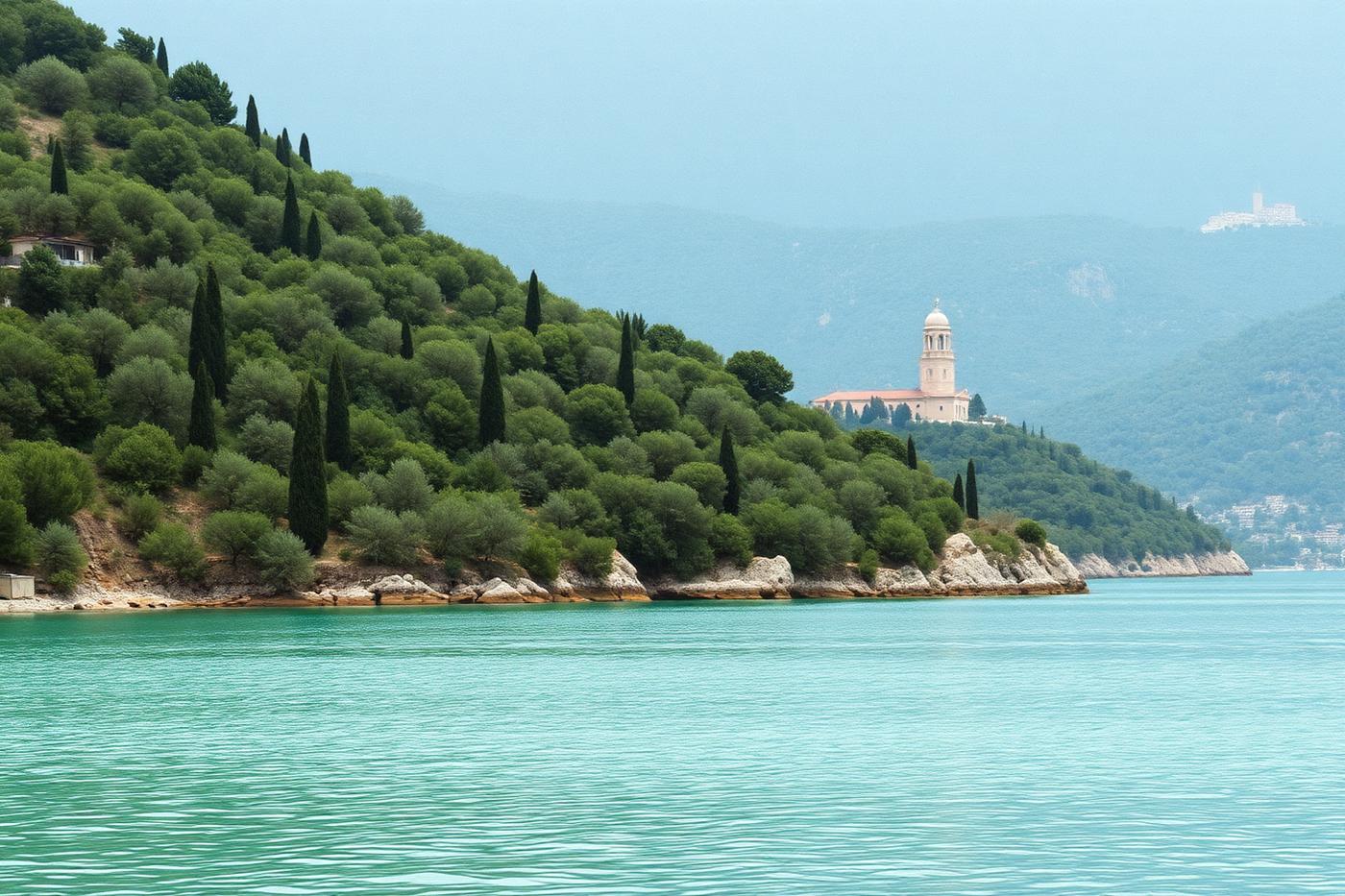
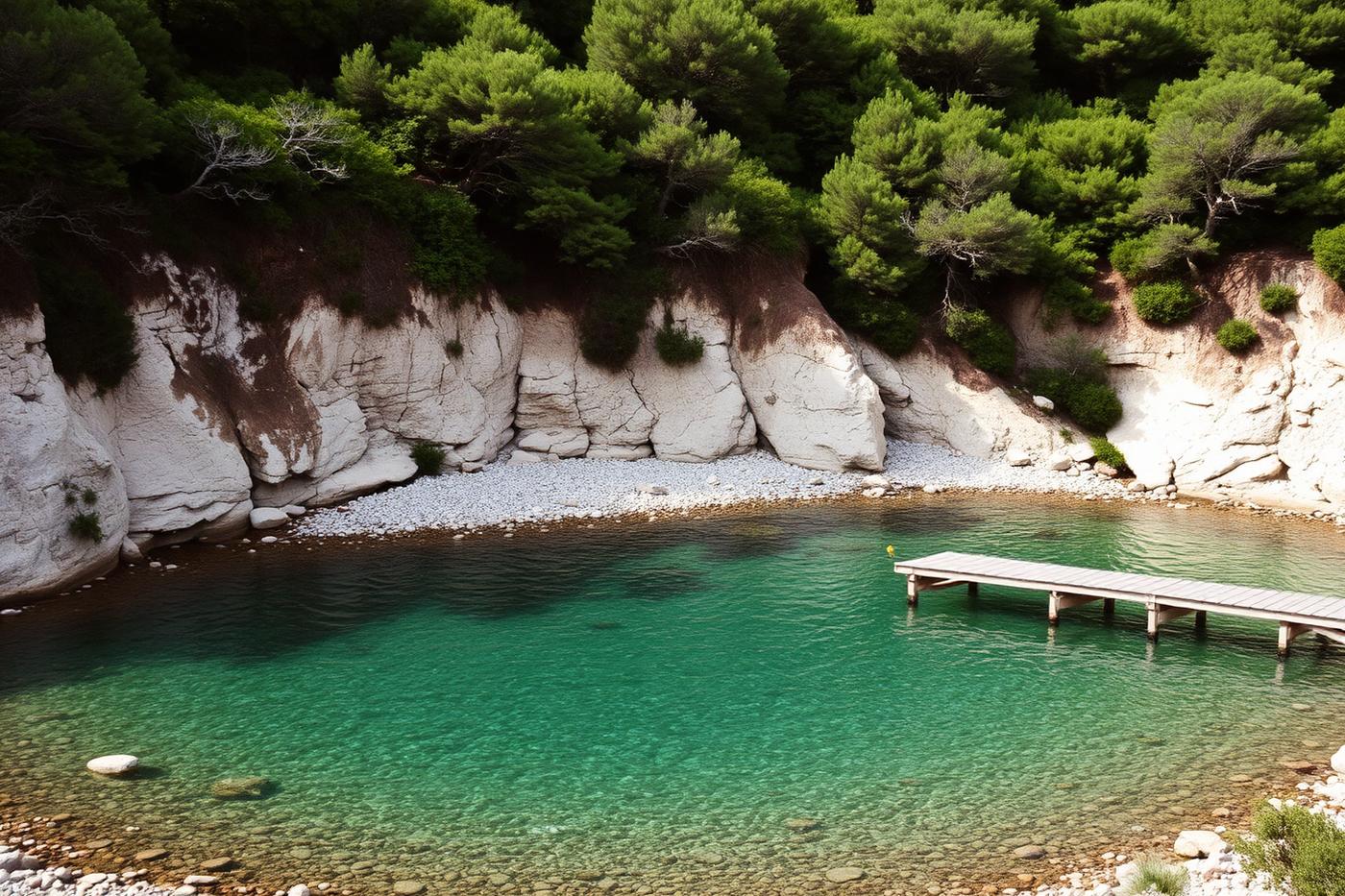
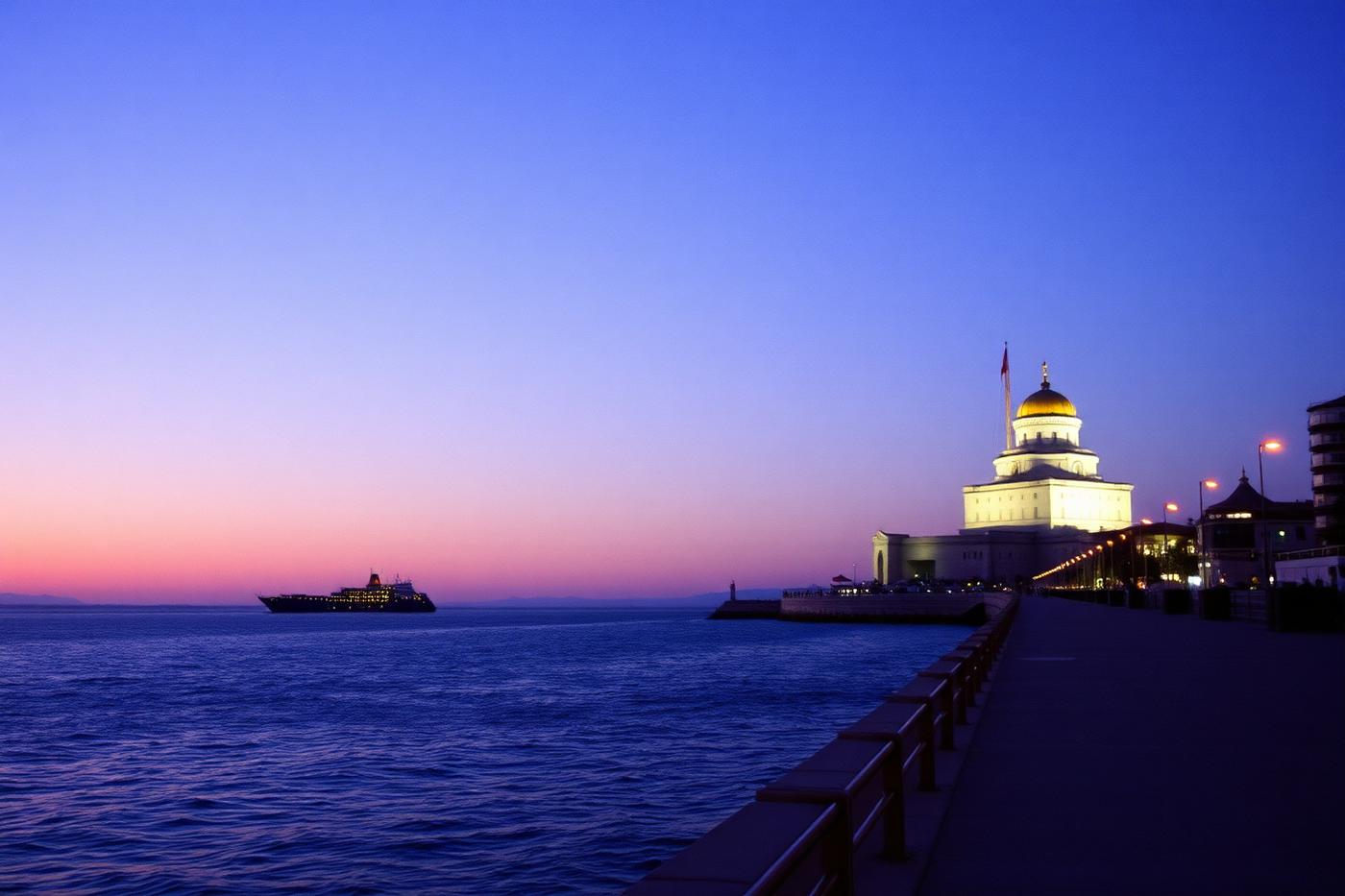
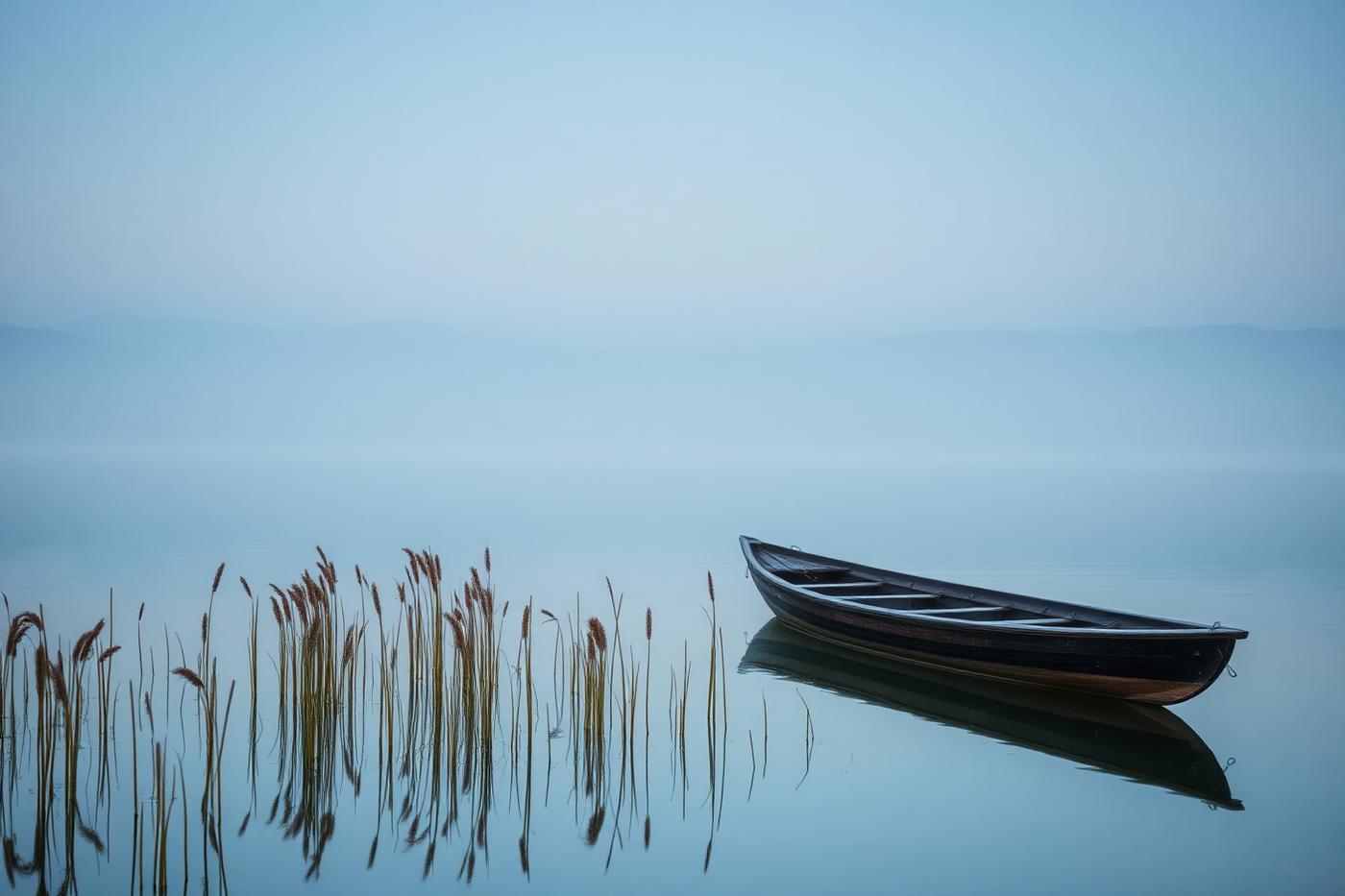
Naxos Chora - Image slotThe caldera by boat, not by road — Cyclades (classic). A private caïque out to the volcanic islets and the hot springs, leaving mid-afternoon and back for sunset on the water.
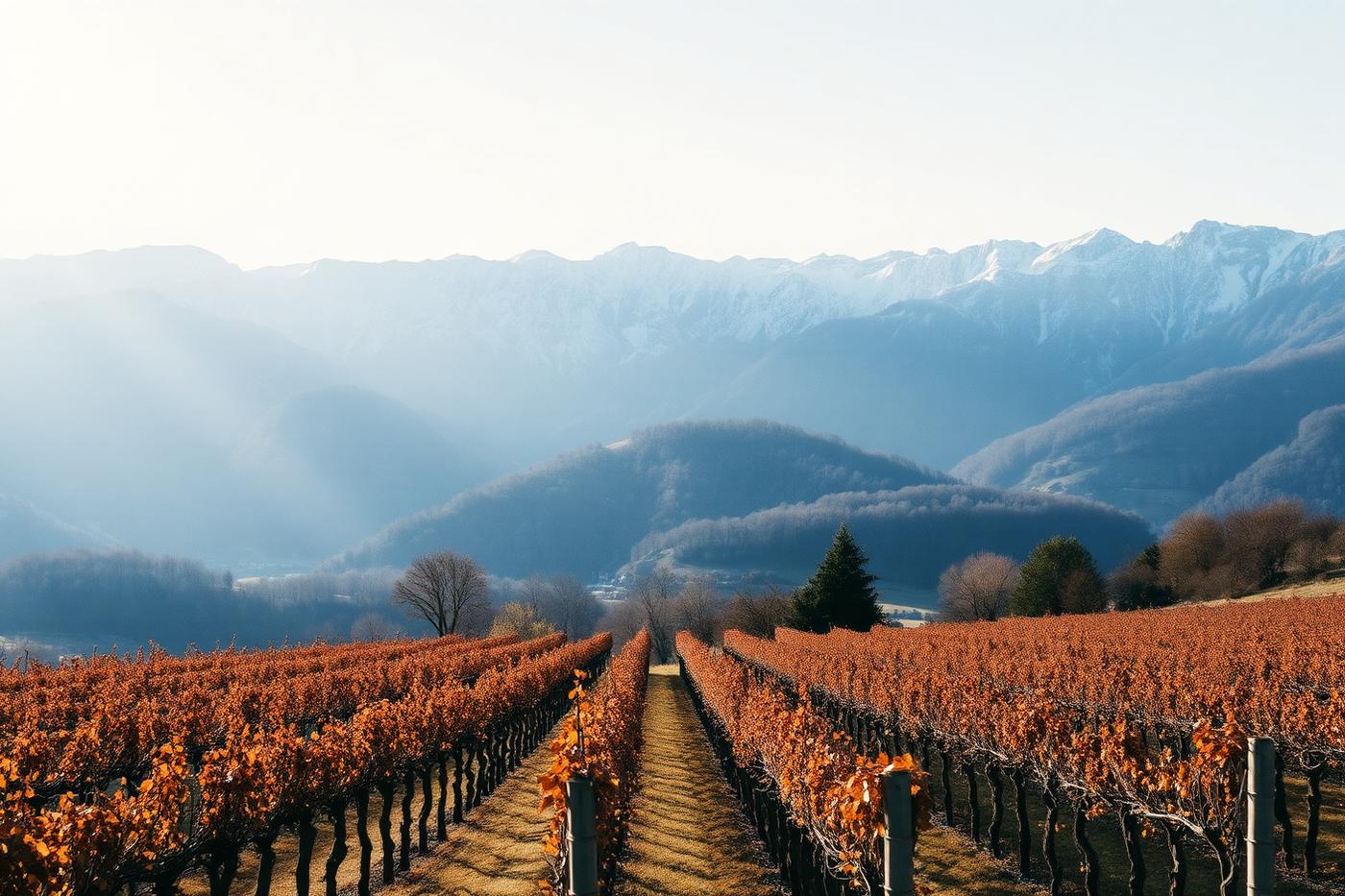
- Image slotAssyrtiko in the vineyard — Cyclades (classic). Basket-trained vines lying flat in volcanic ash, tasted in a cellar with the person who made it.
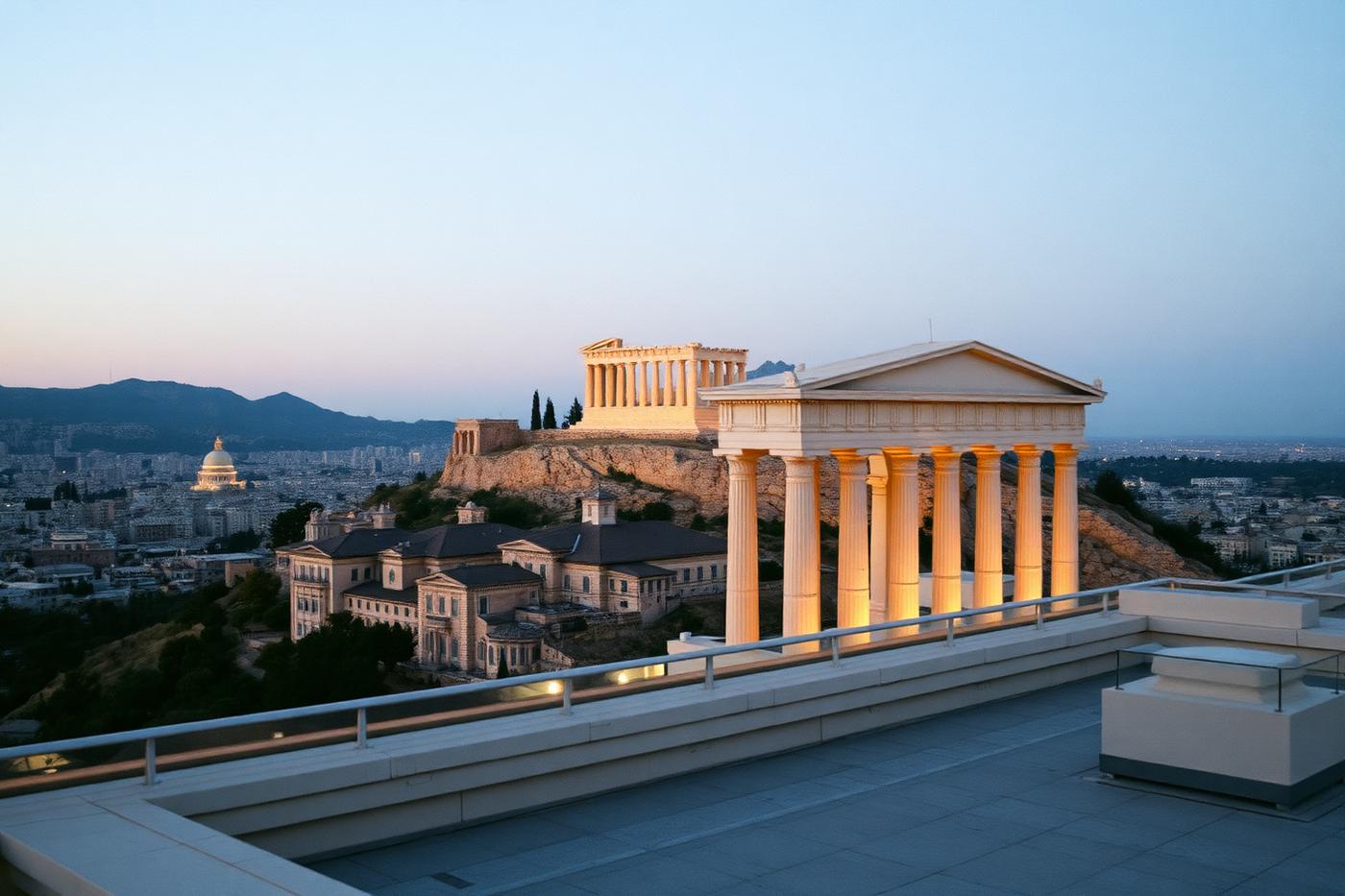
- Image slotDelos — Cyclades (classic). An entire uninhabited sacred island, thirty minutes off Mykonos. The most complete ancient city you can walk through in Greece.
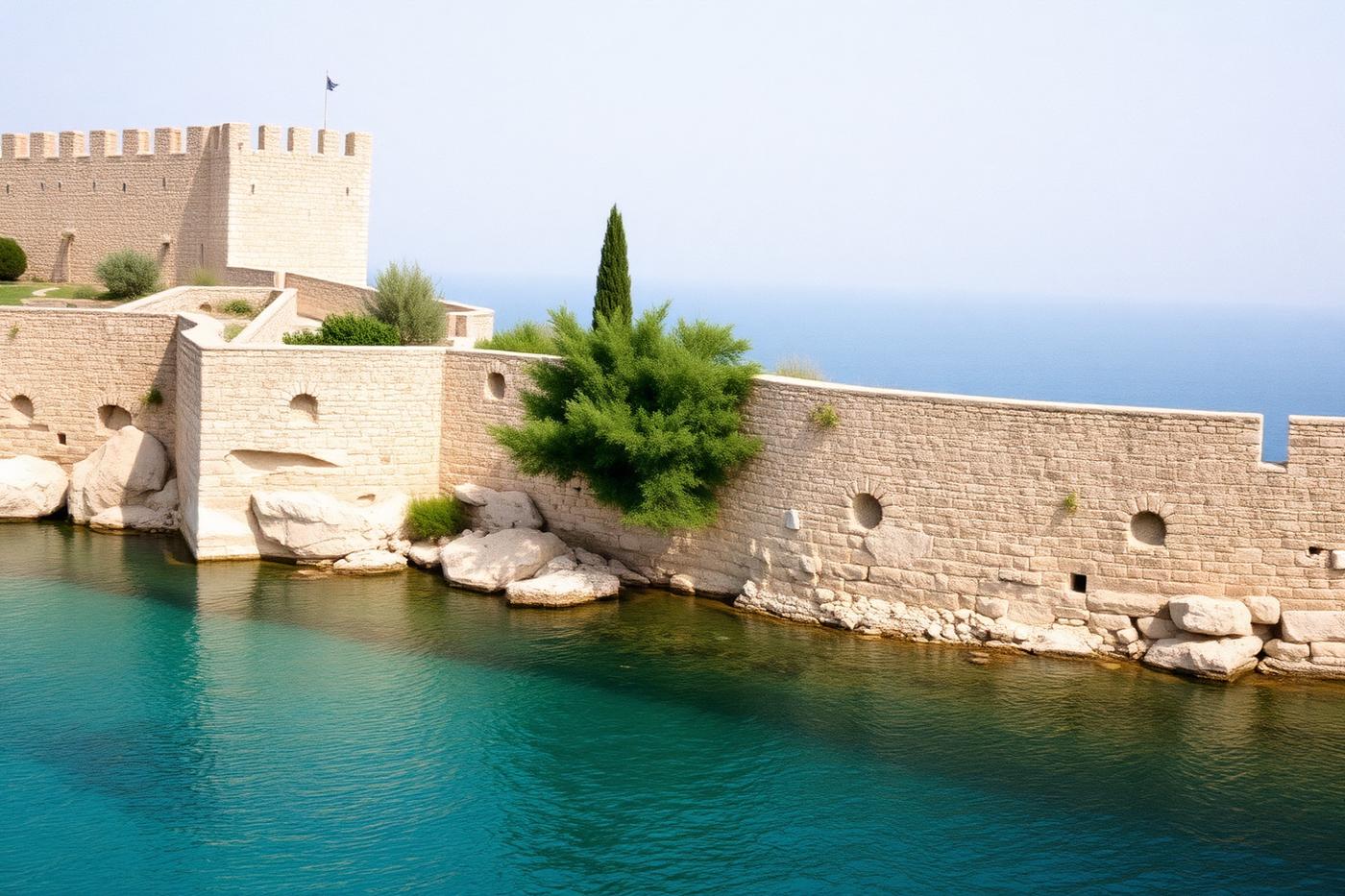
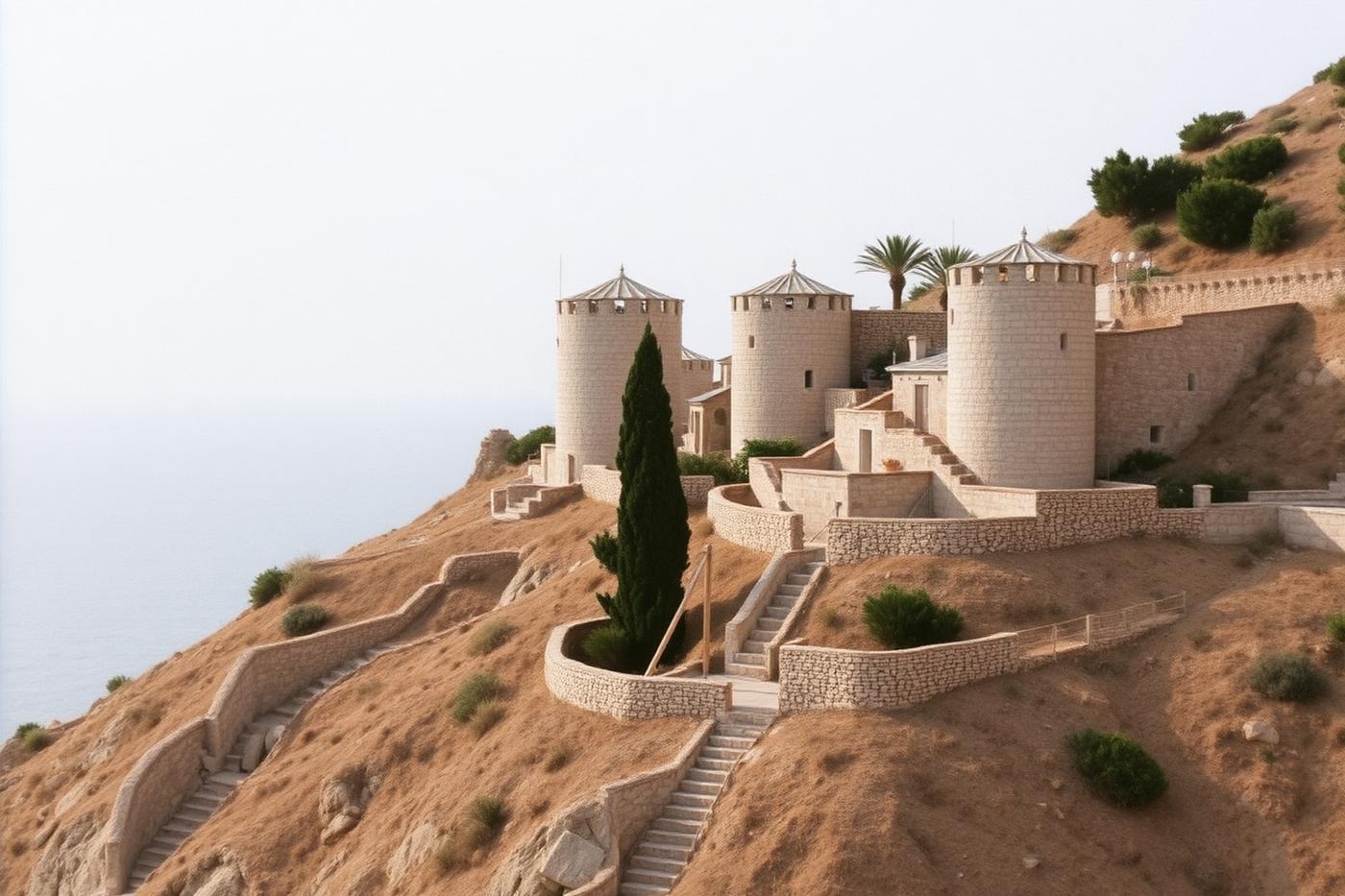
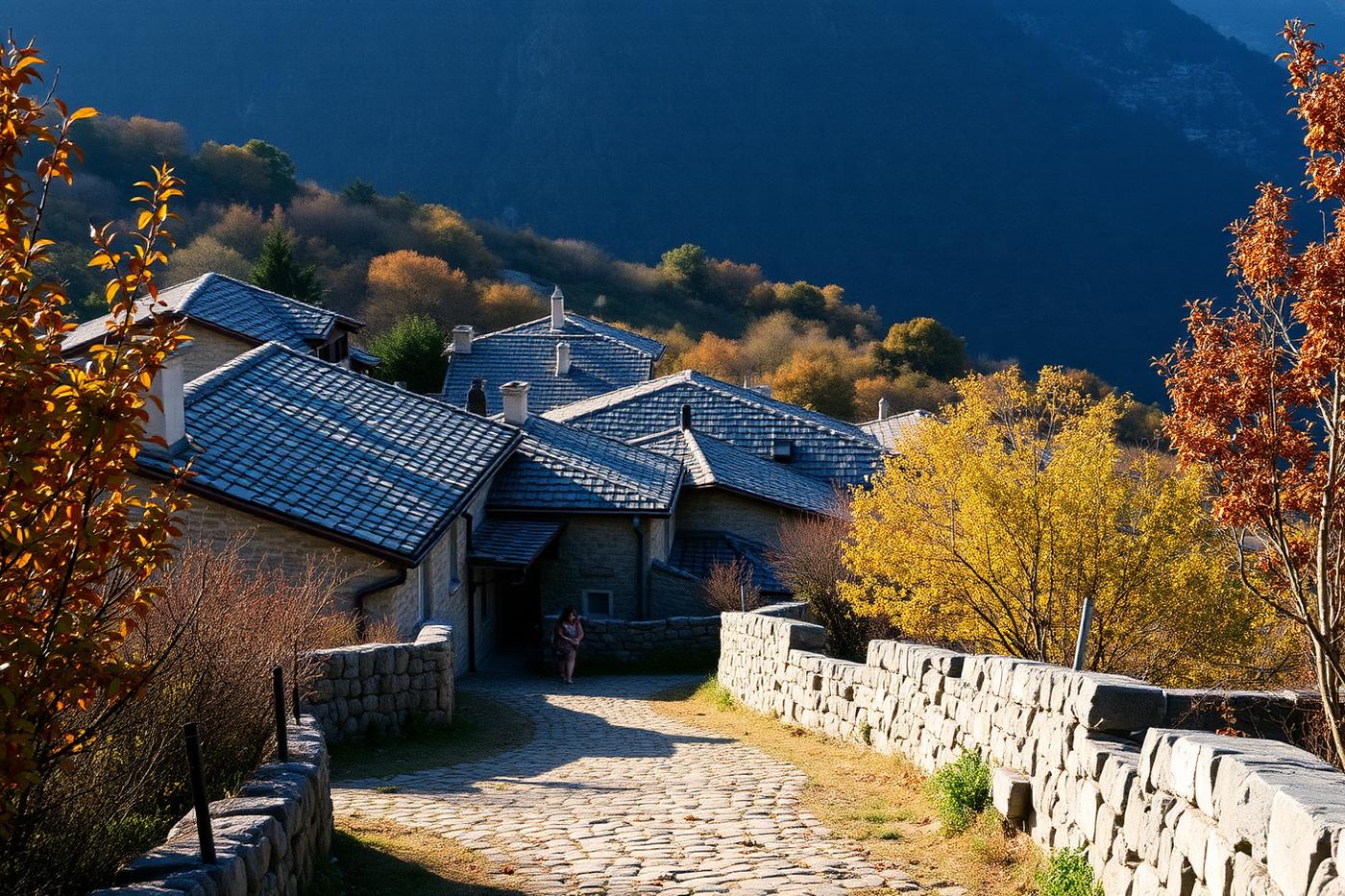
- Image slotInland Naxos — Cyclades (classic). Marble villages, a Venetian tower, an emery mine, a kouros lying unfinished in a field where it cracked.
1 / 6
Cyclades (classic)
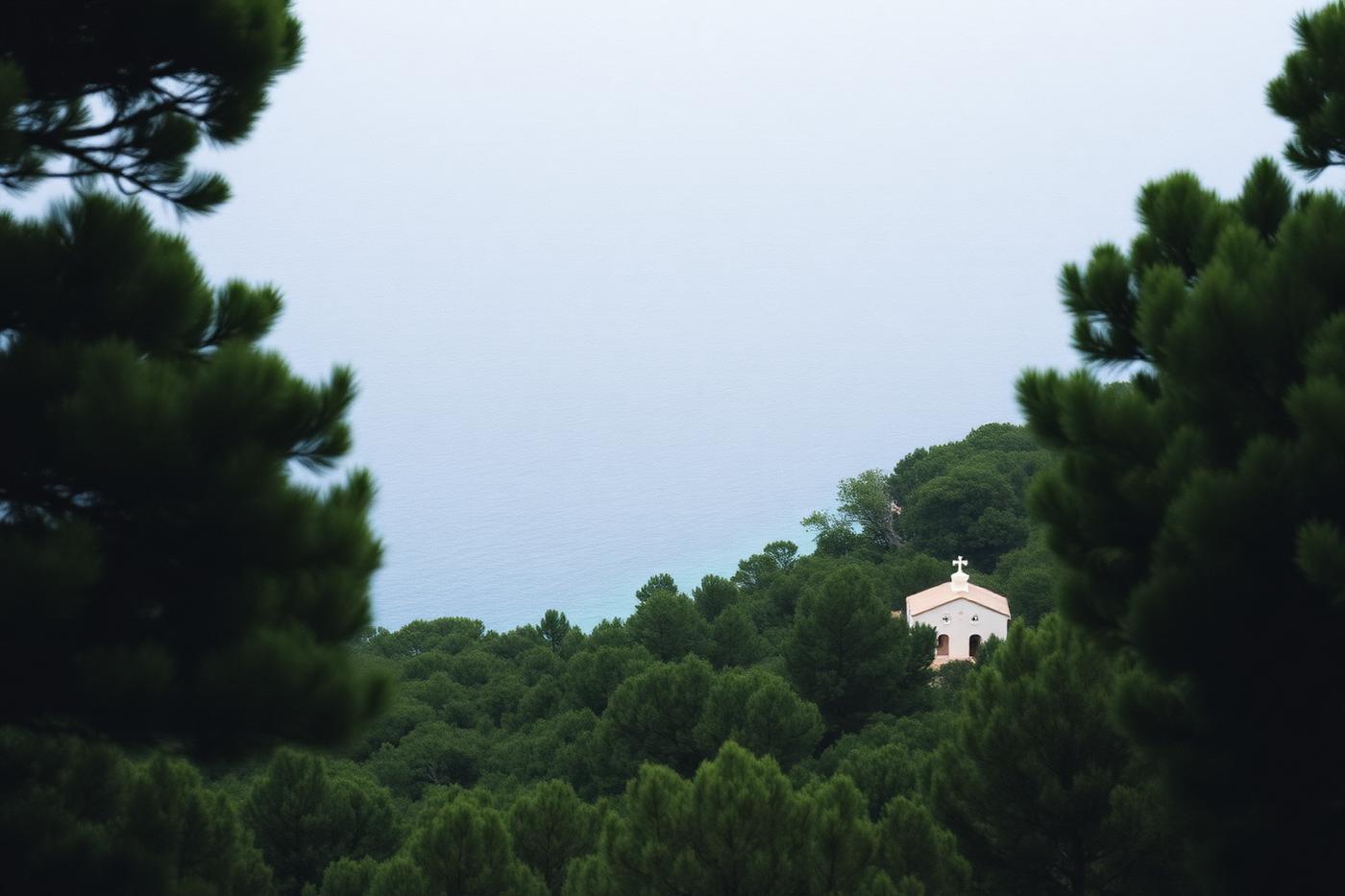
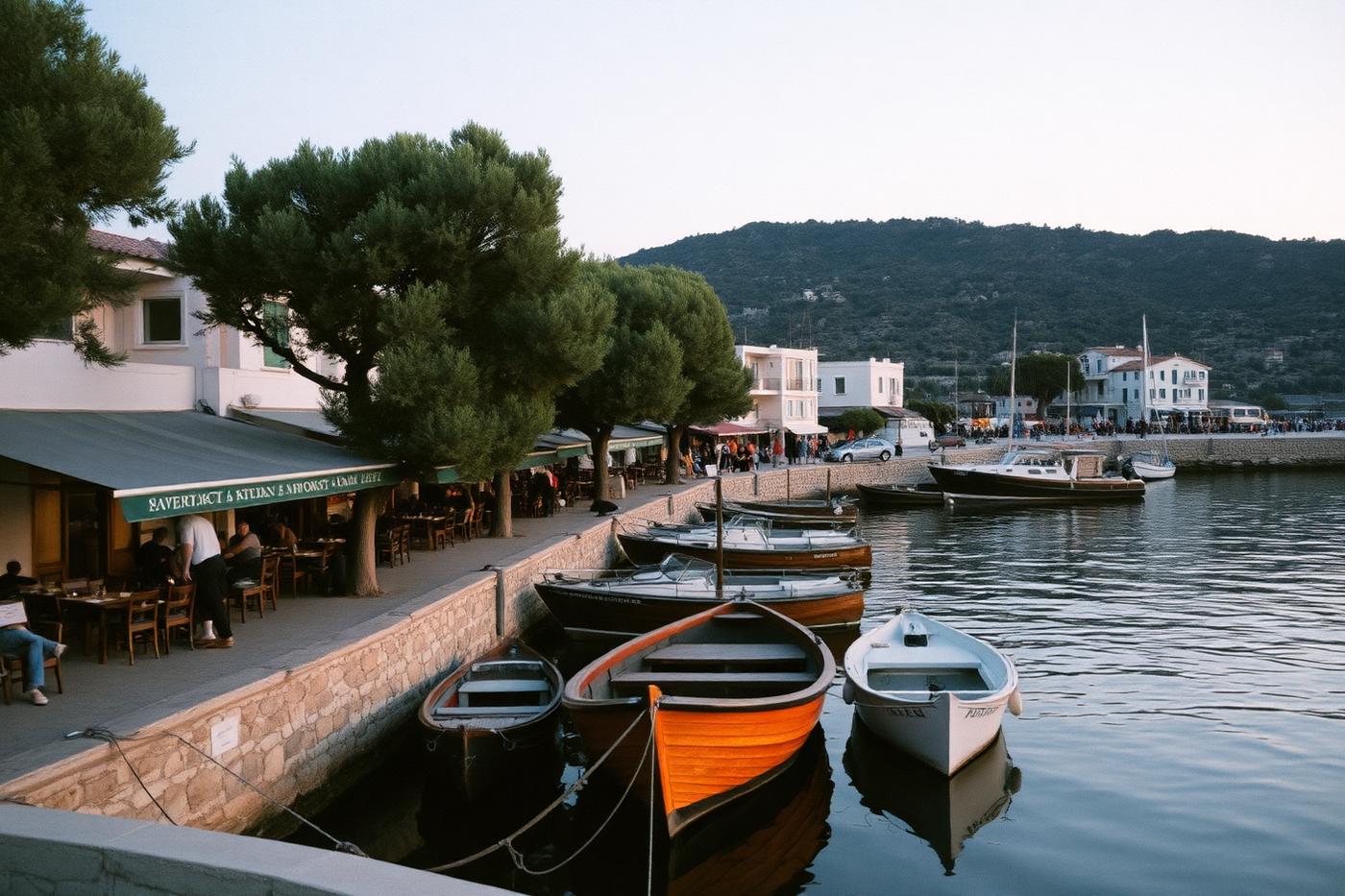
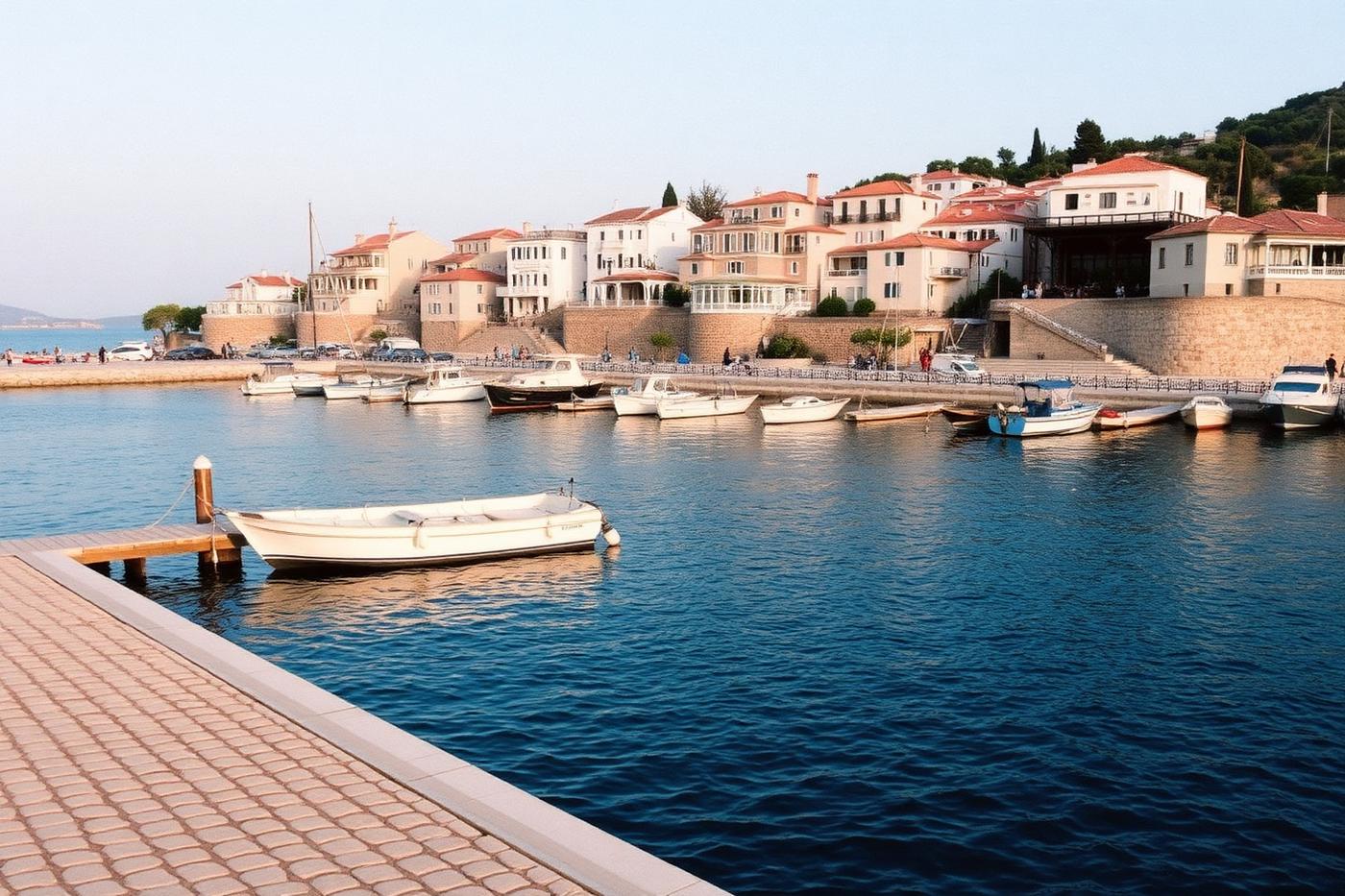
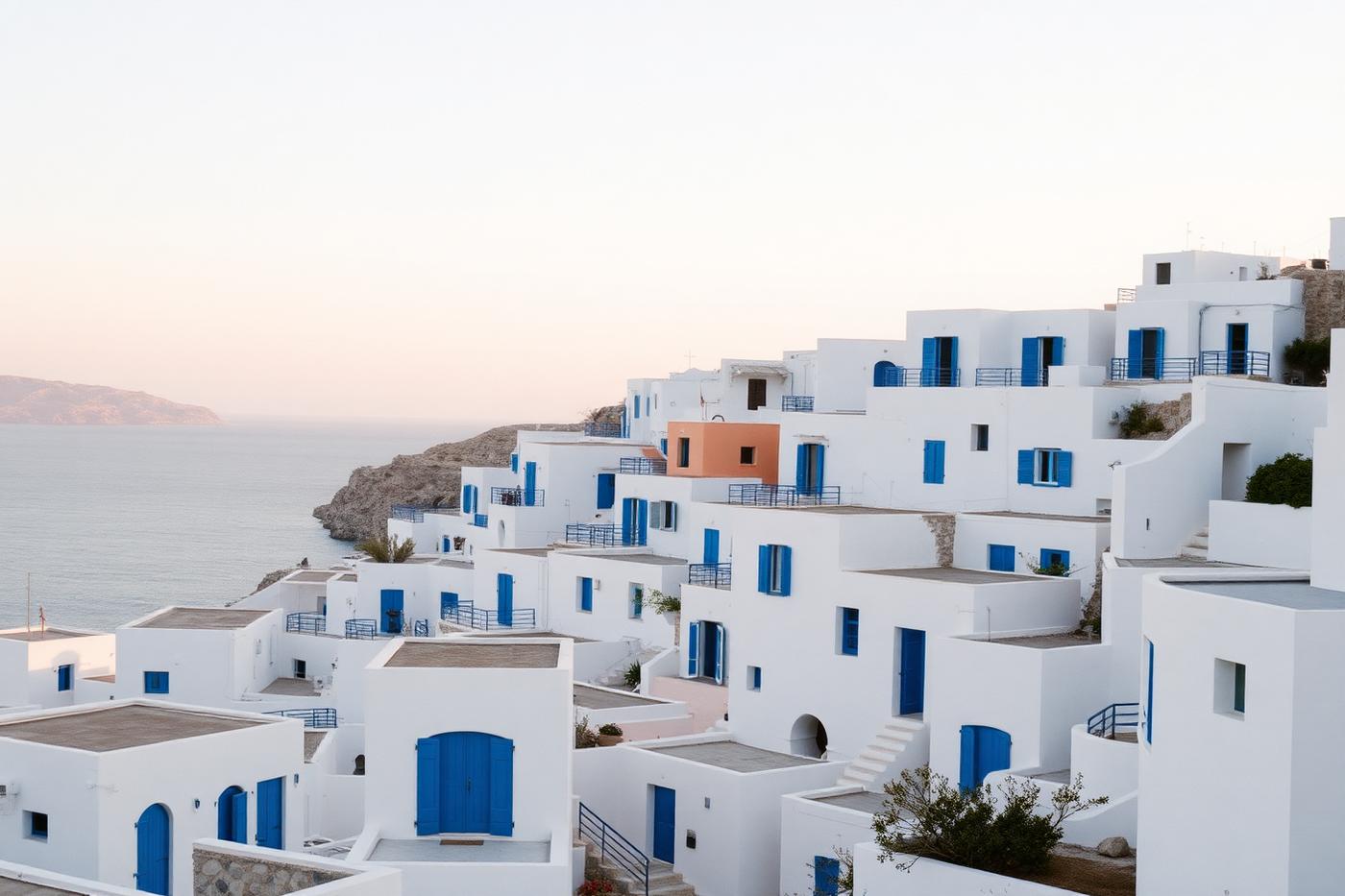
Santorini, Mykonos, Paros, Naxos. Famous for good reason, and entirely manageable if you get the hours right.