Festivals & panigiria
A panigiri is a saint's-day feast: one village, long tables, live lyra or clarinet, food cooked for four hundred, and dancing that goes until it stops. They are not staged for anybody.
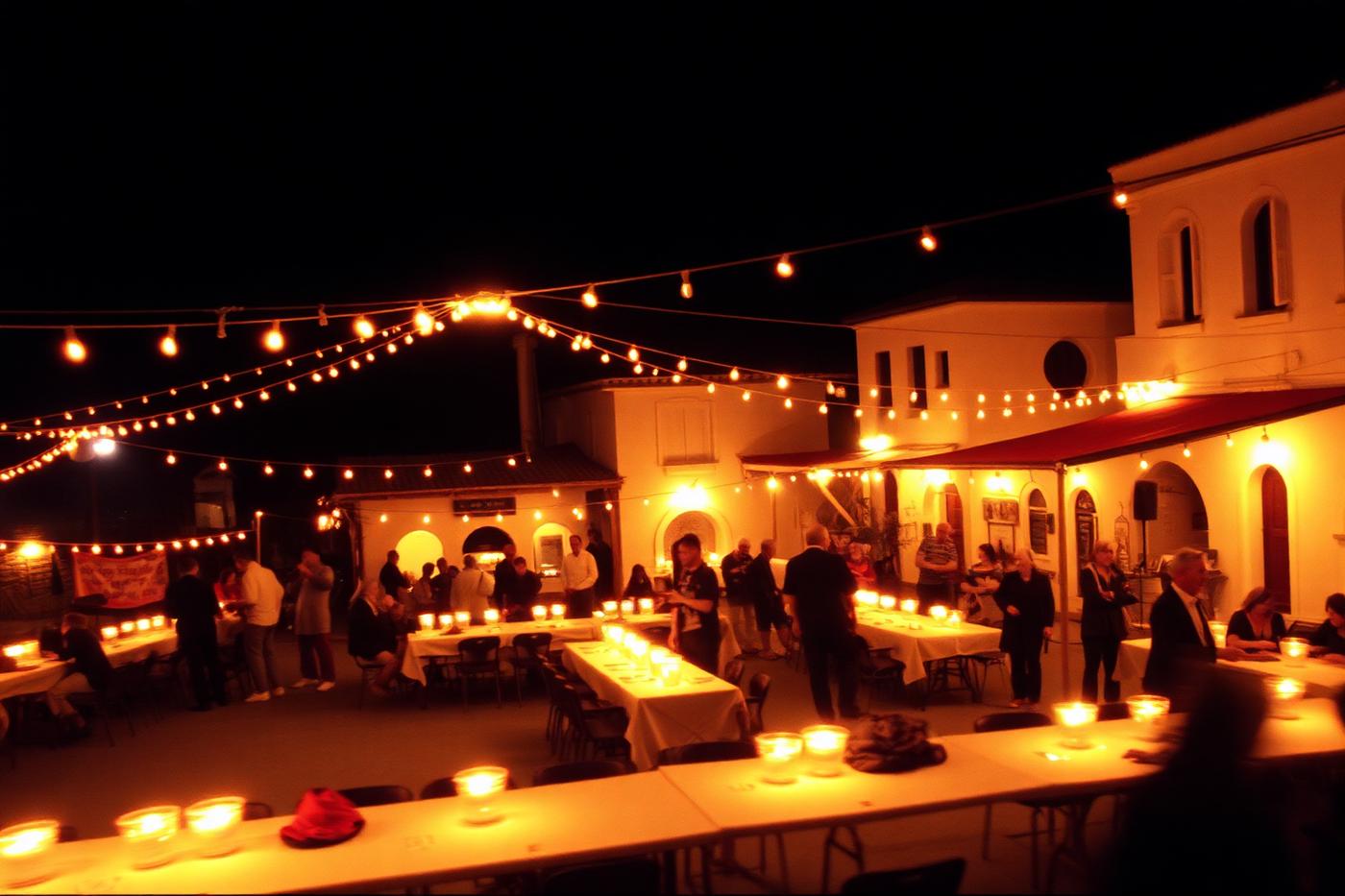
Panigiri, after midnight 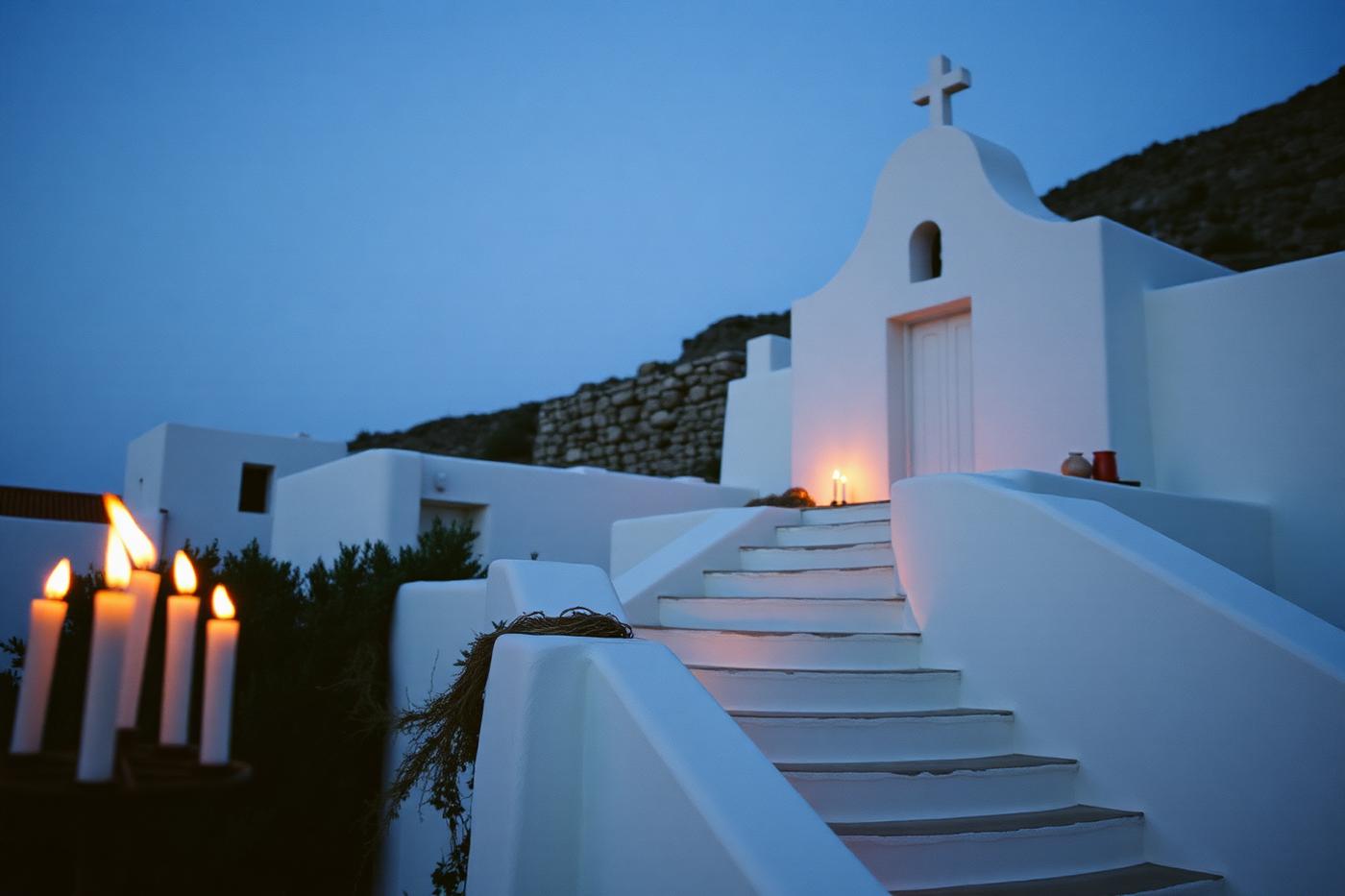
Easter week - Image slotOrthodox Easter, Anywhere, but Patmos and Corfu above all. The largest event in the Greek year. Dates move — usually later than Western Easter.
- Image slotThe Dormition, 15 August, Islands and mountain villages. Panigiria everywhere, and the diaspora home for it.
- Image slotSkyros carnival, Sporades. Goat-bell dancers and masked figures, late February. Pre-Christian.
- Image slotZagori summer panigiria, Epirus. Clarinet, long tables, and villages that treble in size for one night.
About Festivals & panigiria
The calendar is dense. Easter is the largest event of the Greek year and utterly unlike the Western one — the Friday epitaph procession, the midnight resurrection, the Saturday-night soup, the Sunday lamb. On Corfu they throw clay pots off balconies; on Patmos they re-enact the washing of the feet; in Leonidio they release balloons.
The August panigiria cluster around the Dormition on the fifteenth, when islands fill with returning diaspora. Winter carnival is the other pole: Skyros's goat-bell dancers in February, Naoussa's masked Genitsari, Patras's parade.
The etiquette is simple: you turn up, you are fed, you pay something small at the table or nothing at all, and you dance badly. Getting to one requires knowing which village and which night, which is not published anywhere useful.
Where it is at its best
Orthodox Easter
Anywhere, but Patmos and Corfu above all
The largest event in the Greek year. Dates move — usually later than Western Easter.
The Dormition, 15 August
Islands and mountain villages
Panigiria everywhere, and the diaspora home for it.
Skyros carnival
Sporades
Goat-bell dancers and masked figures, late February. Pre-Christian.
Zagori summer panigiria
Epirus
Clarinet, long tables, and villages that treble in size for one night.
Three ways this trip is shaped
Worked examples, not products. Nothing here is booked or sold — they are simply how a trip of this kind fits together when the distances are respected.
6 days · Orthodox Easter week
Easter in the Cyclades
- Athens
- Tinos
- Village liturgies
- Easter table
The most important week of the Greek year. Book eight months ahead or not at all.
5 days · Mid-August
August panigiria in the mountains
- Ioannina
- Papigo
- Metsovo
Village saint's days with clarinet, whole lambs and dancing until first light.
4 days · February – March
Carnival, north and south
- Patras
- Galaxidi
- Clean Monday
Masked processions with pre-Christian roots, and a fasting feast that is anything but austere.
Regions for this
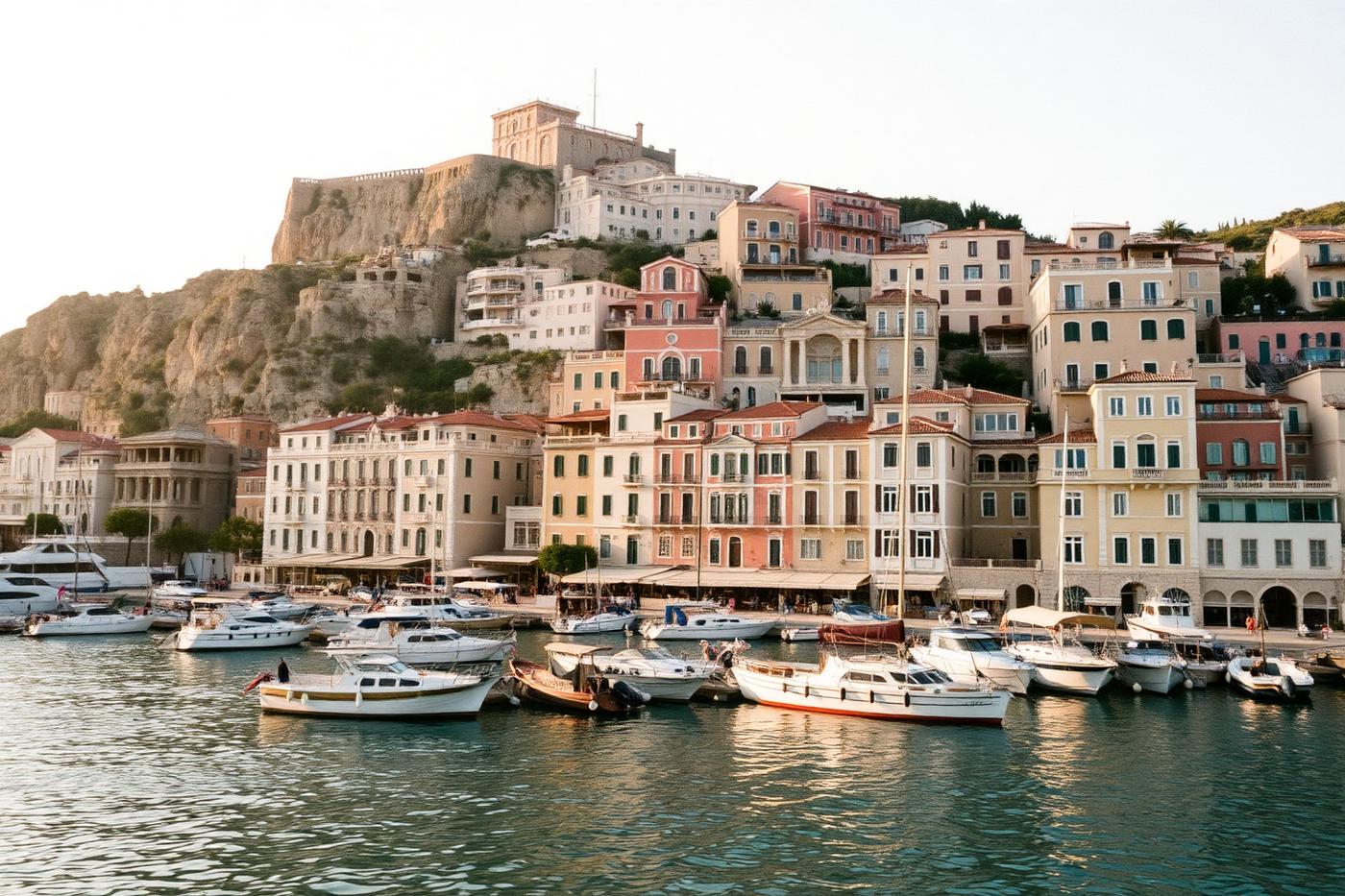
Lindos, first entry 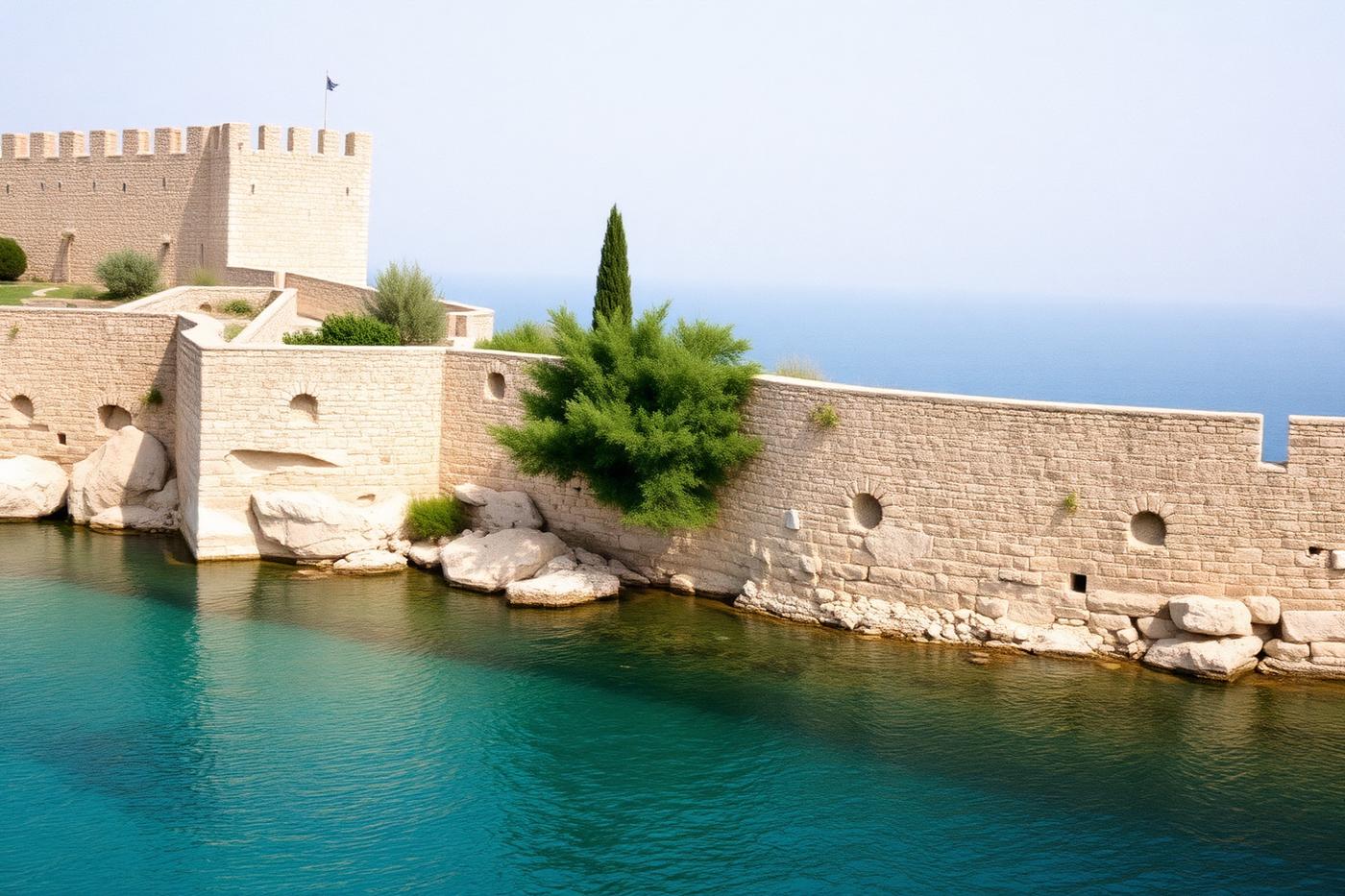
Symi harbour - Image slotThe Street of the Knights, after six — Dodecanese. Walked when the ships have sailed, with a guide who can join it to Malta's own story.
- Image slotLindos acropolis at opening — Dodecanese. A Doric temple on a rock above two bays, and the village white below it.
- Image slotThe Nisyros caldera — Dodecanese. Walk onto the floor of an active volcano, hissing and sulphurous, then eat in the village above it.
- Image slotOlymbos, Karpathos — Dodecanese. A ridge village that kept its dress, its ovens and a dialect with pre-classical roots.
Dodecanese
Rhodes, Symi, Patmos, Karpathos, Nisyros. Medieval, Italian, monastic — the Aegean's most layered islands.
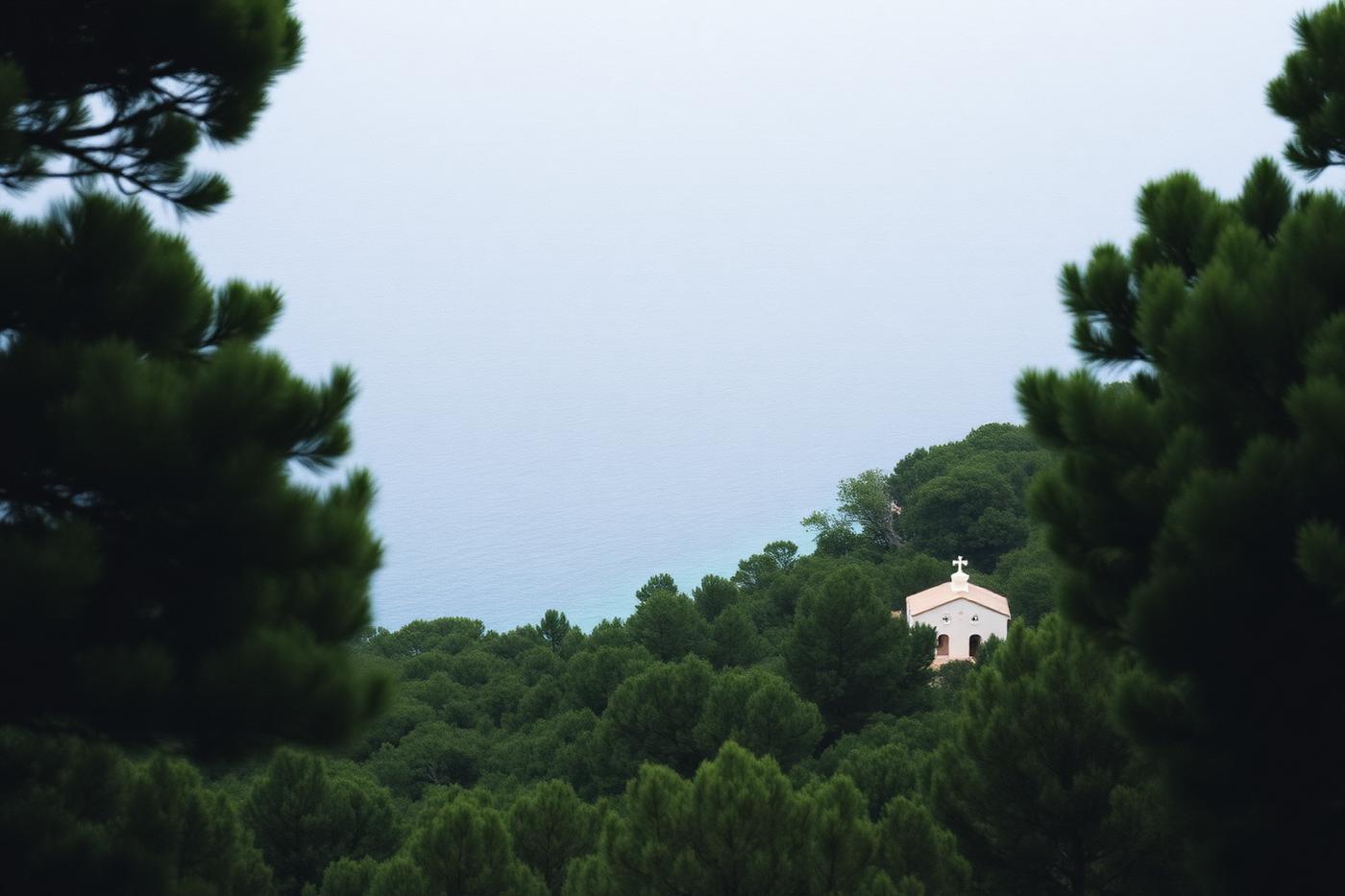
Koukounaries, Skiathos 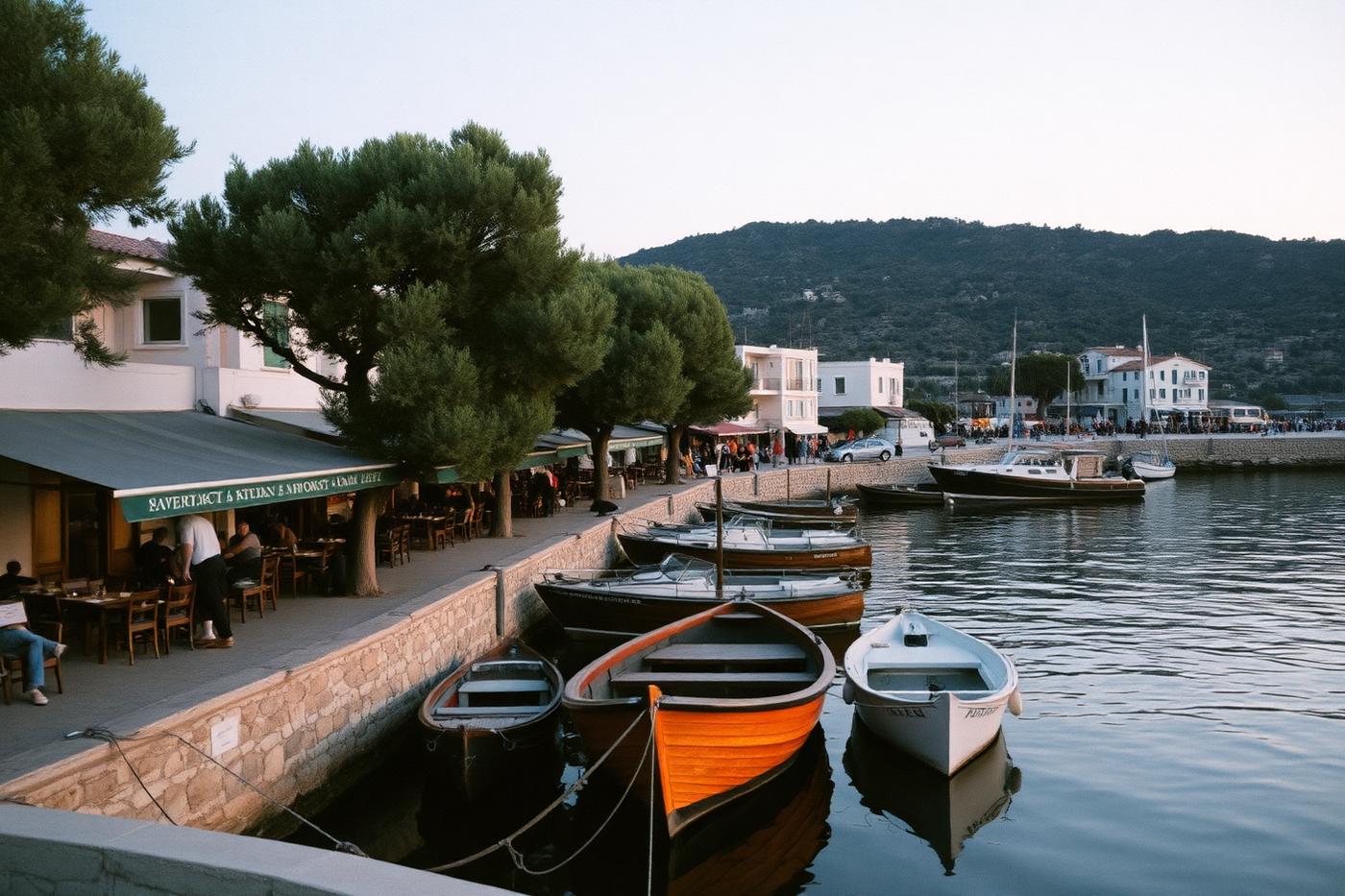
Skopelos - Image slotThe marine park by boat — Sporades. Uninhabited islets, a Byzantine monastery on Kyra Panagia, and a real chance of monk seals.
- Image slotWalking Skopelos — Sporades. Old mule paths between monasteries and plum orchards, in pine shade.
- Image slotSkyros carnival — Sporades. Goat-bell dancers and masked figures in late February — one of the oldest surviving rites in Europe.
Sporades
Skiathos, Skopelos, Alonnisos, Skyros. Pine forest to the waterline and Europe's largest marine park.
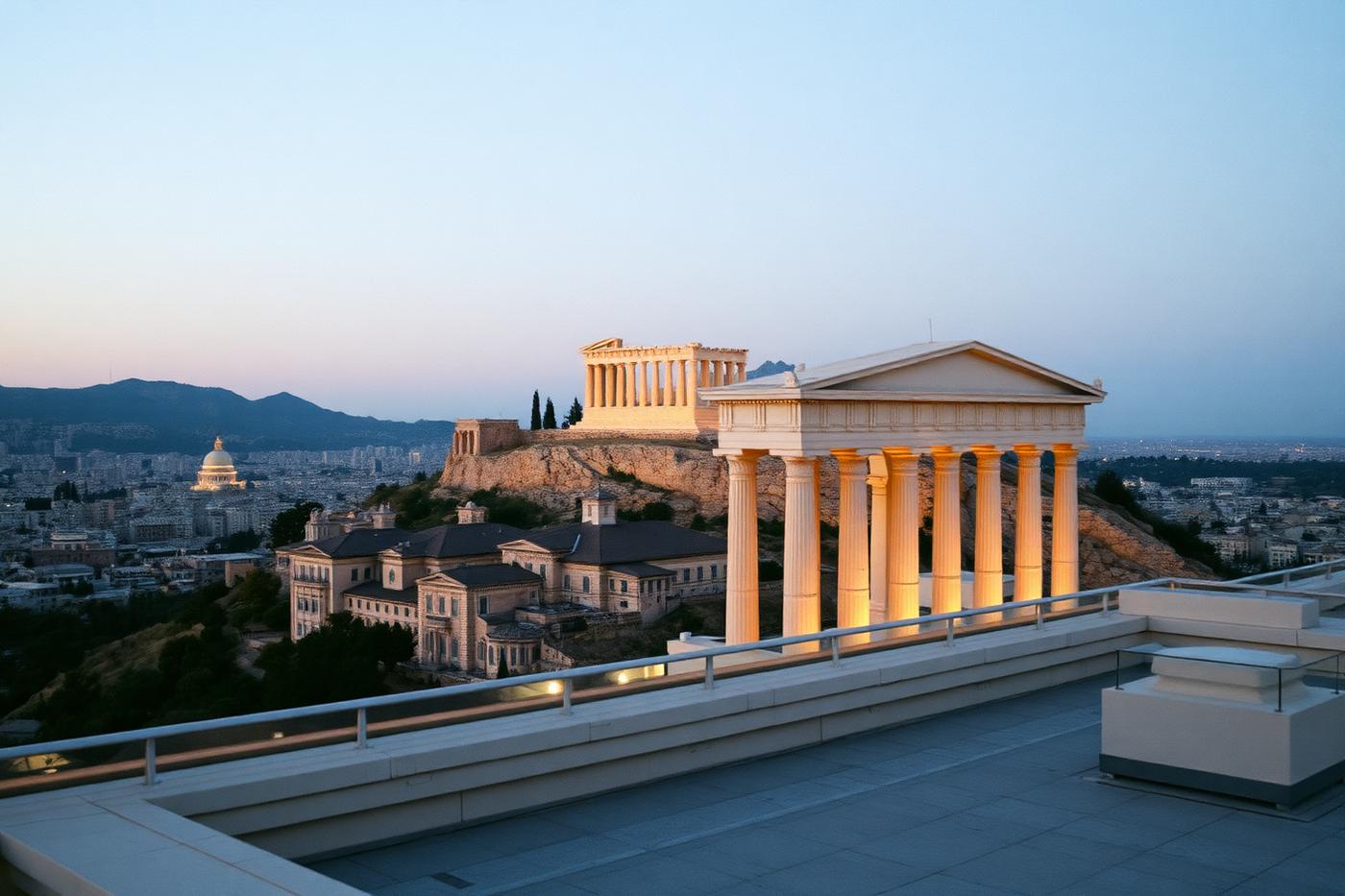
Athens, arrival evening 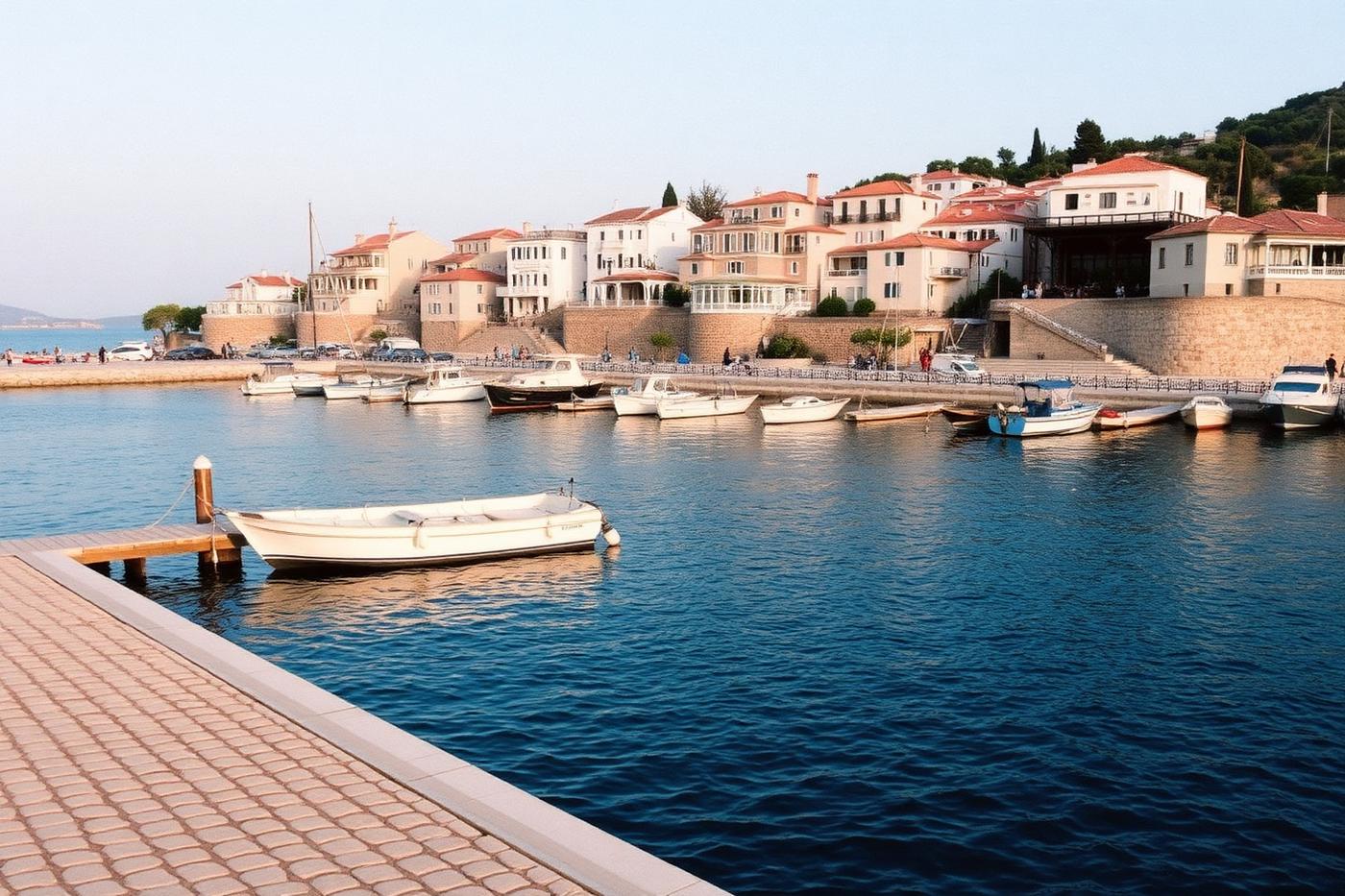
Hydra, out of season - Image slotThe Acropolis before the gates open — Athens & Argo-Saronic. First entry with a licensed archaeologist, then the museum, then out before the heat.
- Image slotThe National Archaeological Museum — Athens & Argo-Saronic. Two focused hours with someone who knows it beats four hours alone.
- Image slotCape Sounion at sunset — Athens & Argo-Saronic. The Temple of Poseidon on its headland, with Byron's name cut into a column.
- Image slotEating off the square — Athens & Argo-Saronic. Koukaki and Petralona — the kitchens Athenians keep for themselves.
Athens & Argo-Saronic
The city, the coast below it, and four islands an hour from the port — Hydra, Spetses, Aegina, Poros.
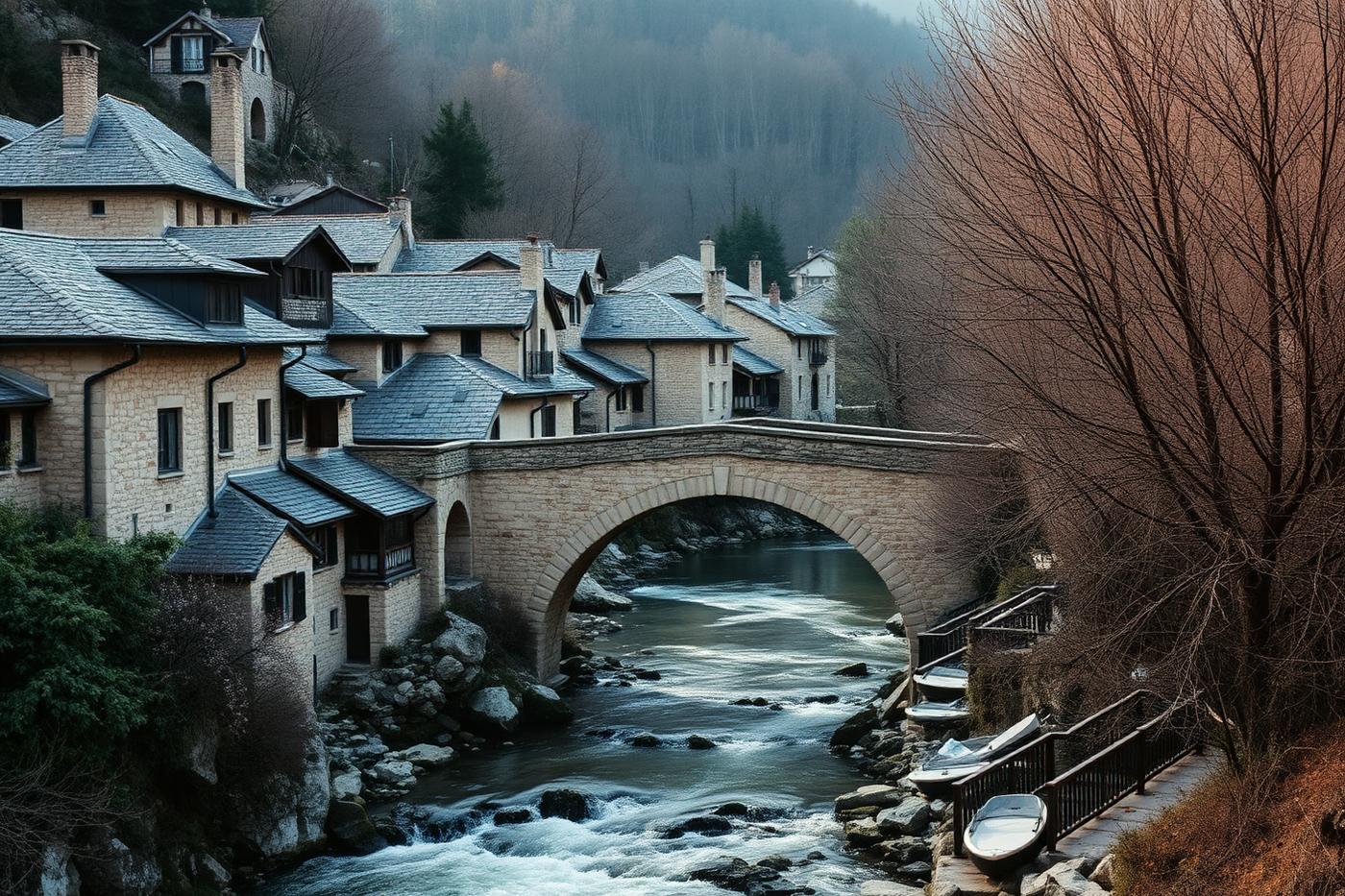
Zagori, in the rain 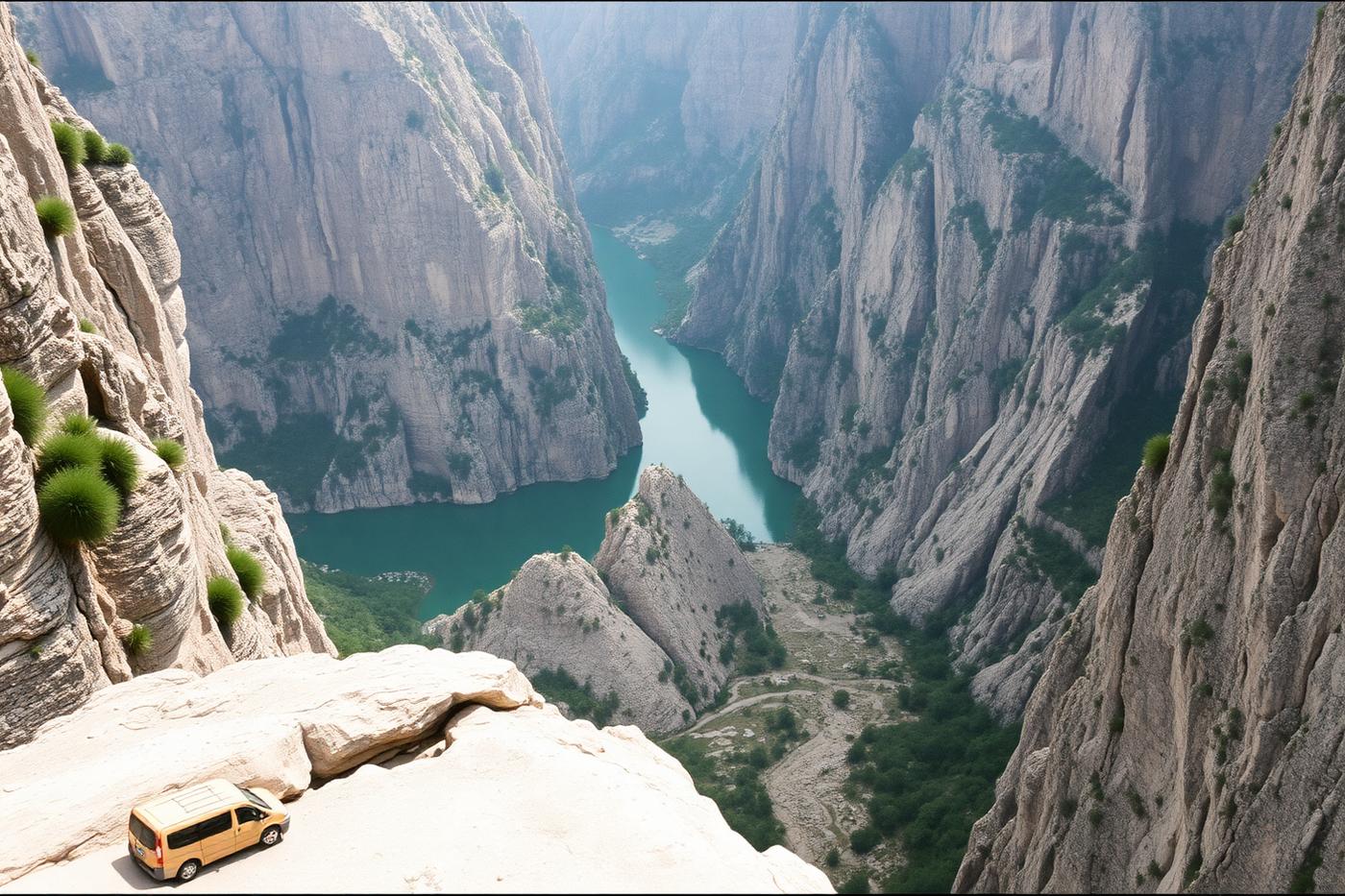
Vikos, from the rim - Image slotThe Vikos gorge floor — Epirus & Zagori. Monodendri to Papingo, six hours, one of the great European day walks.
- Image slotRafting the Voidomatis — Epirus & Zagori. Clear, cold, gentle water through the gorge — genuinely suitable for children.
- Image slotThe stone bridges — Epirus & Zagori. Kokkorou, Plakida, Kalogeriko — three arches, and a walking route that links them.
- Image slotA pie made in front of you — Epirus & Zagori. Filo rolled by hand at six in the morning, the way it has always been done here.
Epirus & Zagori
Forty-six stone villages, the deepest gorge in Europe by ratio, and arched bridges over glacier-clear water.