Antiquity & archaeology
The set pieces earn their reputation. What ruins them is arriving at eleven in July with four coach parties and no one to explain what you are looking at.
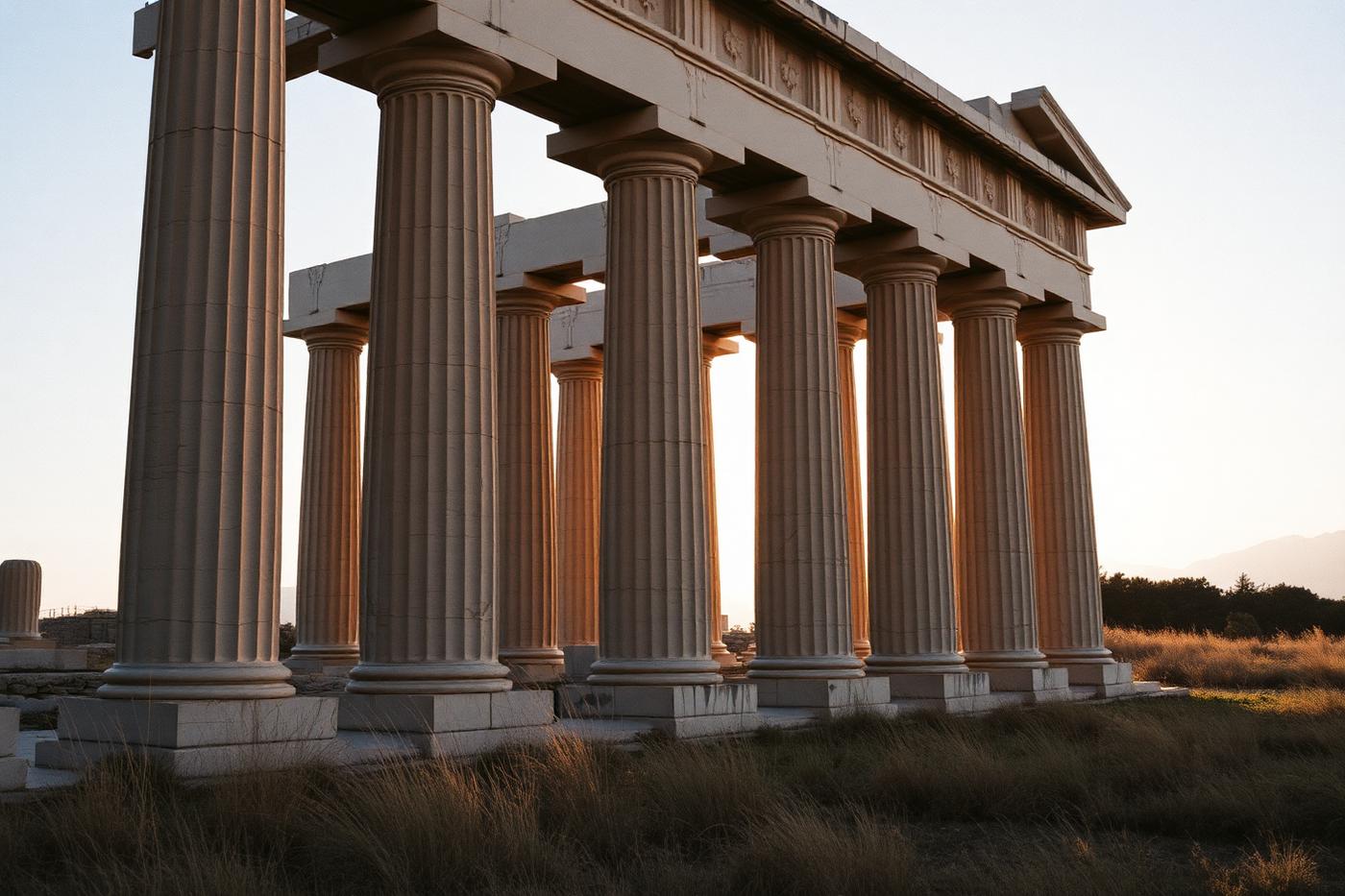
First light at the temple 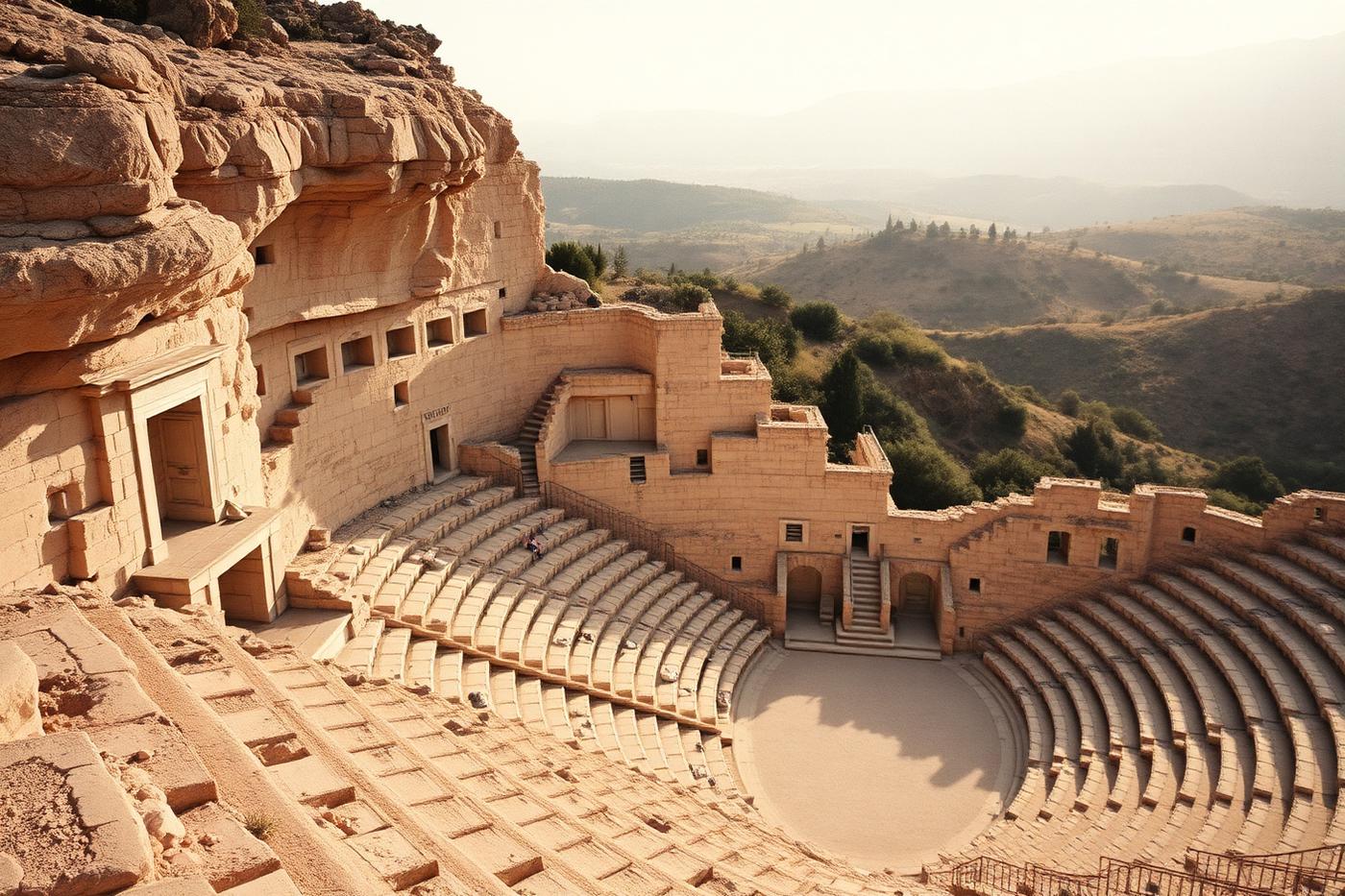
The theatre, empty - Image slotThe Acropolis at first entry, Athens. Before the gates open to the flags, with the museum after.
- Image slotDelphi, Central Greece. The navel of the world, on a mountainside above a sea of olive trees.
- Image slotDelos, Cyclades. An uninhabited sacred island — the most complete ancient city you can walk.
- Image slotVergina, Macedonia. Philip II's tomb, underground, with the grave goods where they were found.
About Antiquity & archaeology
The chronology is the useful frame: Minoan Crete from around 2000 BC, Mycenaean citadels from 1600, the Archaic and Classical world of Athens, Delphi and Olympia, then Hellenistic Macedon, Roman Greece, a thousand years of Byzantium at Mystras and Meteora, and Venetian and Ottoman layers on top of all of it.
A licensed archaeologist changes a site from an interesting pile of stone into a place you understand — and in Greece the licensing is strict, which means the standard is high. Two focused hours with the right person beats a whole day alone.
The practical trick is first entry. Gates open at eight in summer, and the first ninety minutes at the Acropolis, Delphi or Knossos are a different experience from the rest of the day, in crowd and in temperature.
Where it is at its best
The Acropolis at first entry
Athens
Before the gates open to the flags, with the museum after.
Delphi
Central Greece
The navel of the world, on a mountainside above a sea of olive trees.
Delos
Cyclades
An uninhabited sacred island — the most complete ancient city you can walk.
Vergina
Macedonia
Philip II's tomb, underground, with the grave goods where they were found.
Three ways this trip is shaped
Worked examples, not products. Nothing here is booked or sold — they are simply how a trip of this kind fits together when the distances are respected.
5 days · March – May, September – November
The Argolid in detail
- Athens
- Corinth
- Mycenae
- Epidaurus
- Nafplio
Bronze Age citadels and the finest surviving ancient theatre, all within an hour of one town.
6 days · March – May, October – November
Minoan Crete
- Heraklion
- Knossos
- Phaistos
- Zakros
Palaces first, then the museum that explains them — in that order, and out of the summer heat.
7 days · April – June, September – October
Oracles and the north
- Athens
- Delphi
- Meteora
- Vergina
- Thessaloniki
The oracle, the monasteries on rock, and the Macedonian royal tombs — one long drive north.
Regions for this
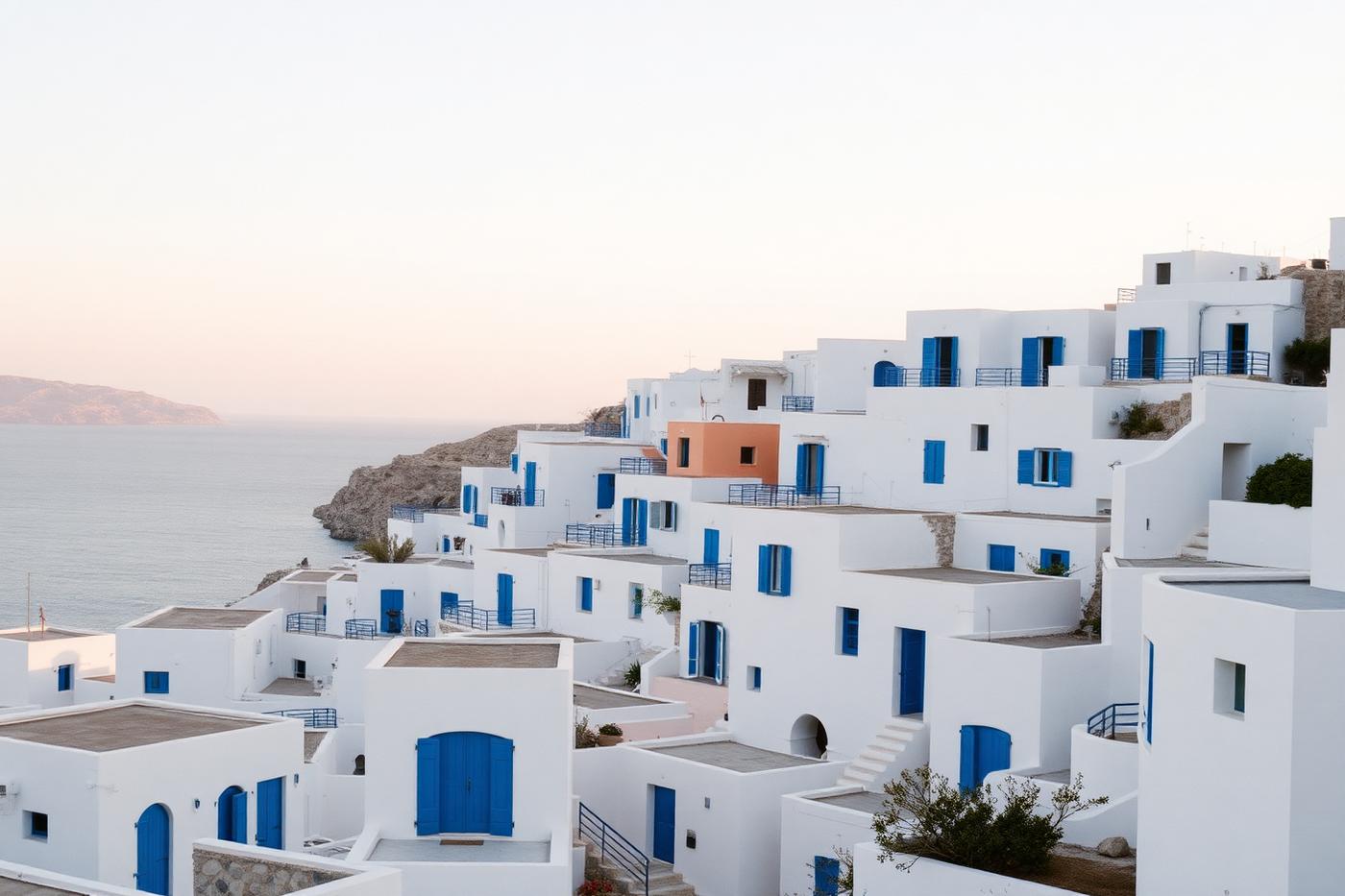
Santorini, before the ships 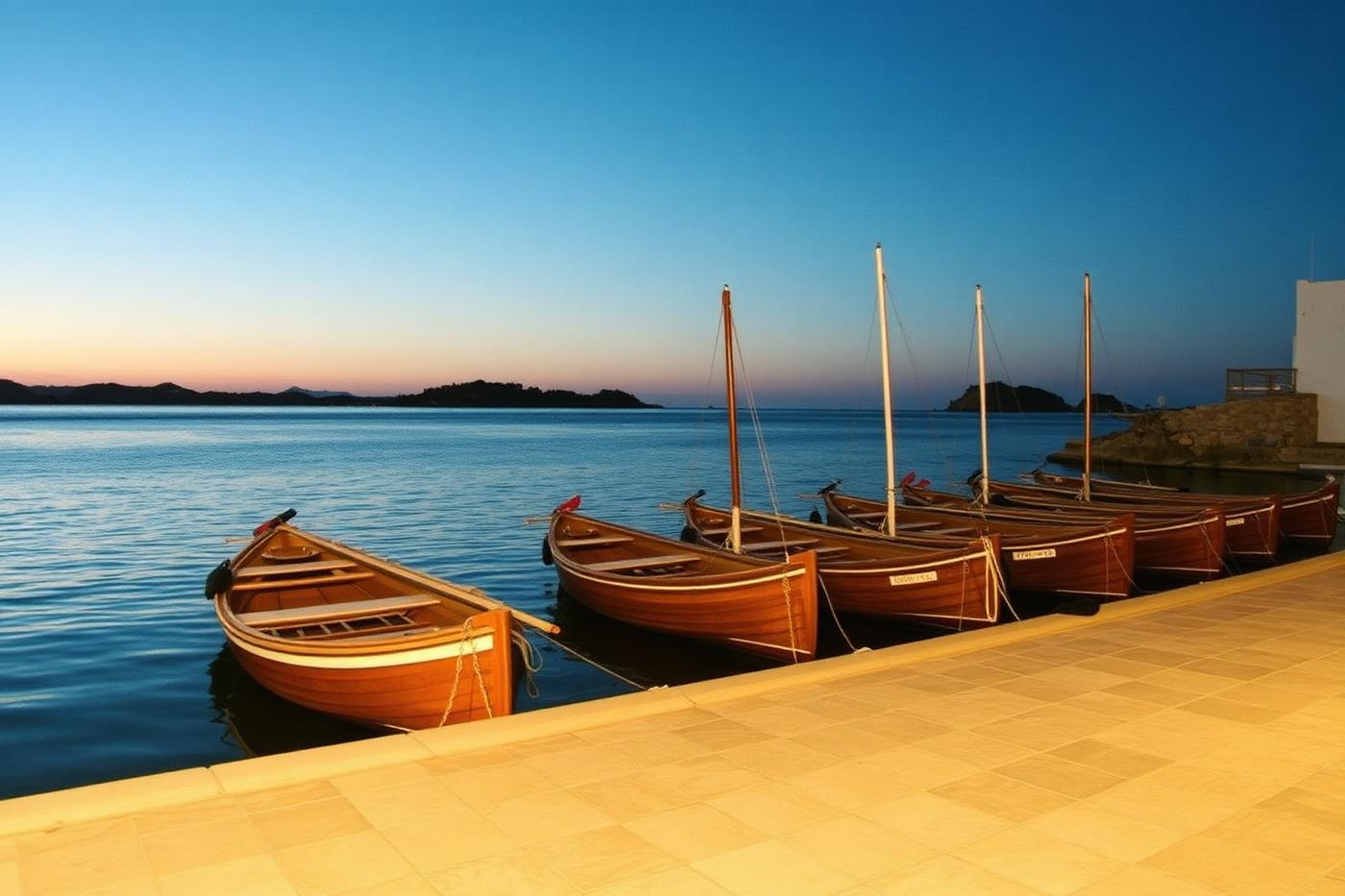
Naxos Chora - Image slotThe caldera by boat, not by road — Cyclades (classic). A private caïque out to the volcanic islets and the hot springs, leaving mid-afternoon and back for sunset on the water.
- Image slotAssyrtiko in the vineyard — Cyclades (classic). Basket-trained vines lying flat in volcanic ash, tasted in a cellar with the person who made it.
- Image slotDelos — Cyclades (classic). An entire uninhabited sacred island, thirty minutes off Mykonos. The most complete ancient city you can walk through in Greece.
- Image slotInland Naxos — Cyclades (classic). Marble villages, a Venetian tower, an emery mine, a kouros lying unfinished in a field where it cracked.
Cyclades (classic)
Santorini, Mykonos, Paros, Naxos. Famous for good reason, and entirely manageable if you get the hours right.
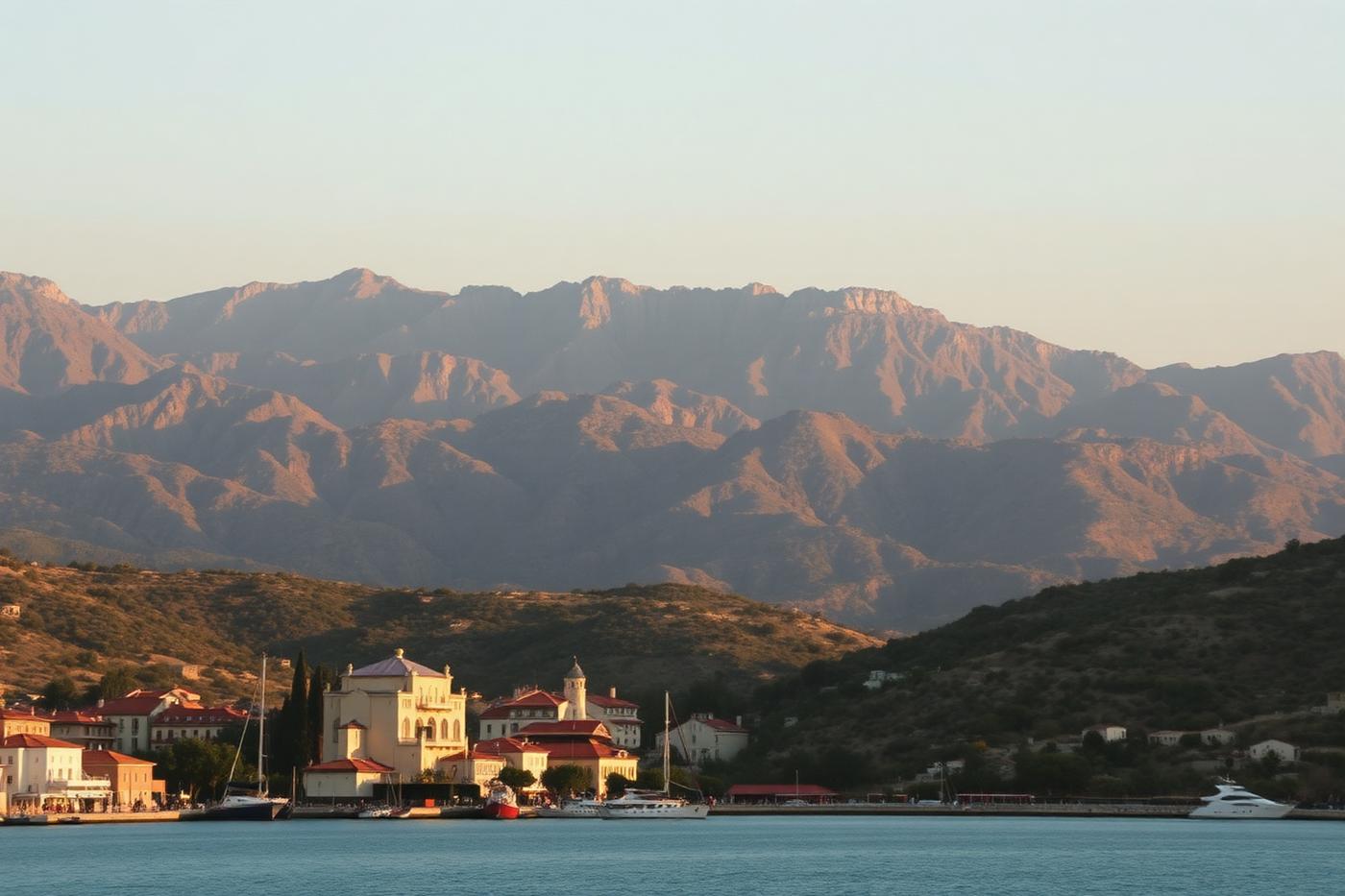
Western Crete, out of season 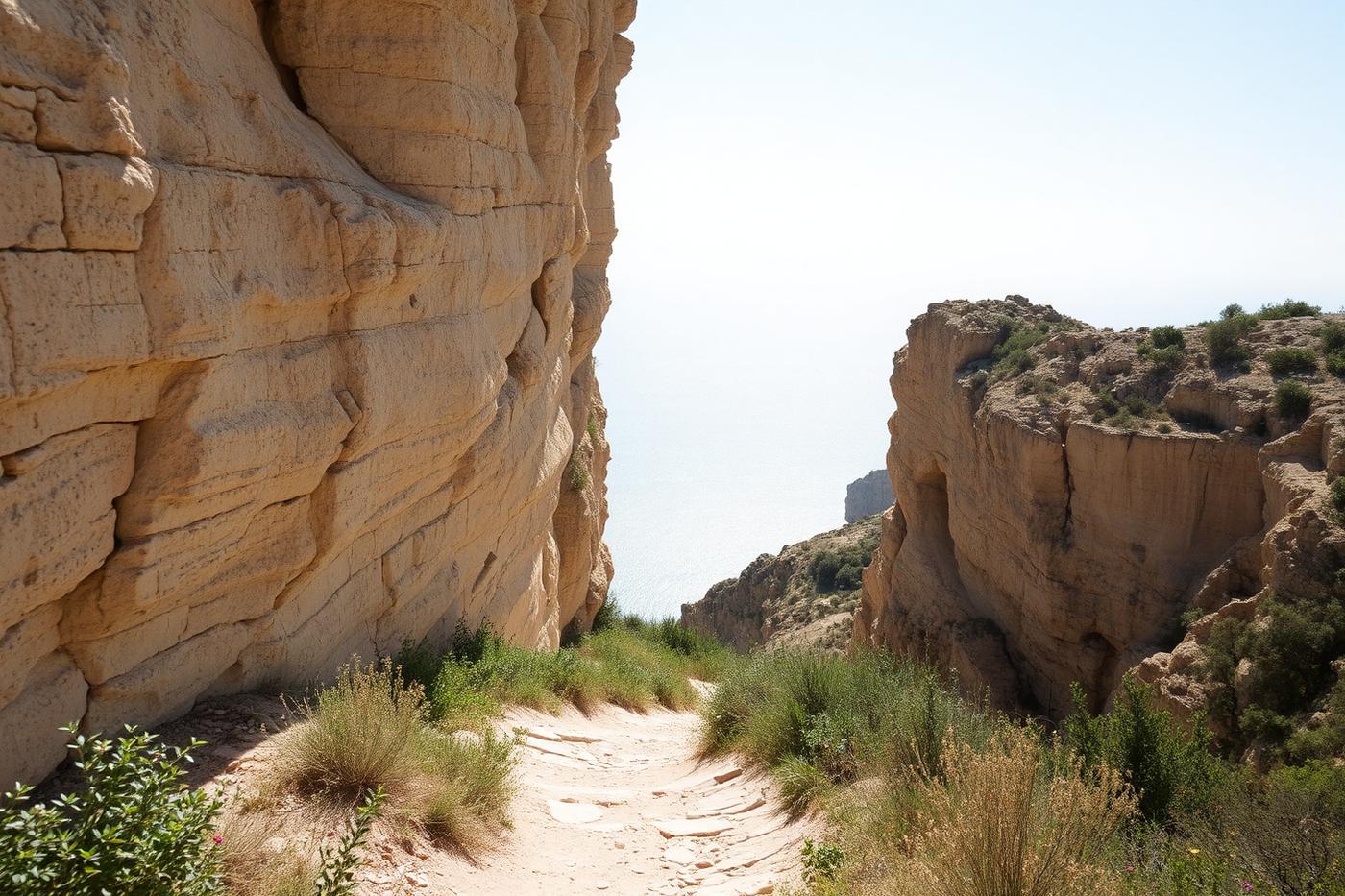
The Lefka Ori - Image slotSamaria or Imbros gorge — Crete. Samaria is sixteen kilometres and a full day; Imbros is eight and family-manageable. Both end at the Libyan Sea.
- Image slotKnossos, early, with an archaeologist — Crete. Evans's reconstruction is controversial and much better with someone who can explain what is real.
- Image slotBalos and Gramvousa by private boat — Crete. A hooked sandbar between two seas, best reached before the day boats.
- Image slotA village kitchen — Crete. Wild greens picked that morning, snails, and a raki still made in the yard.
Crete
Not an island so much as a small country: four mountain ranges, a Bronze Age civilisation, and its own kitchen.
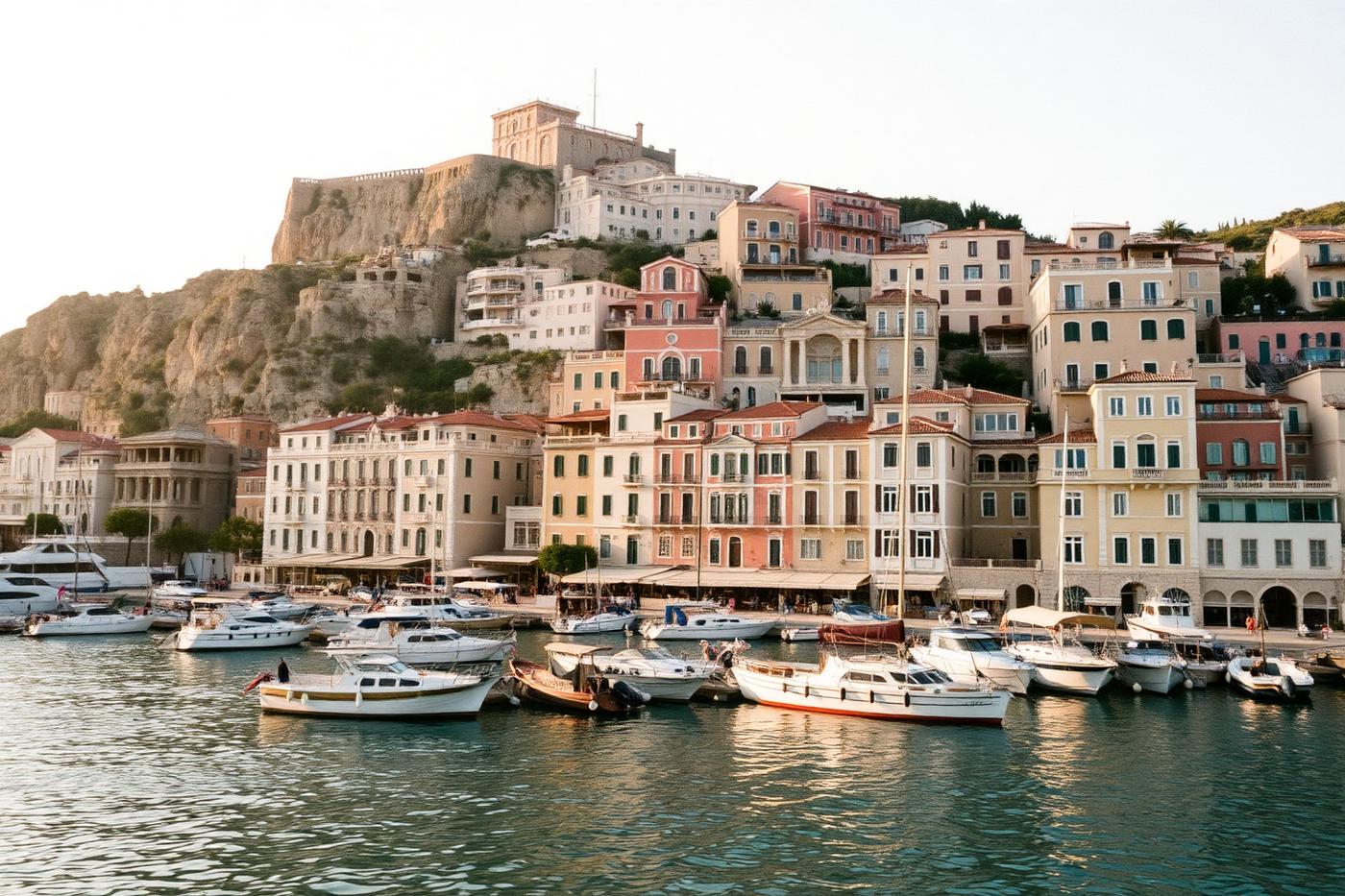
Lindos, first entry 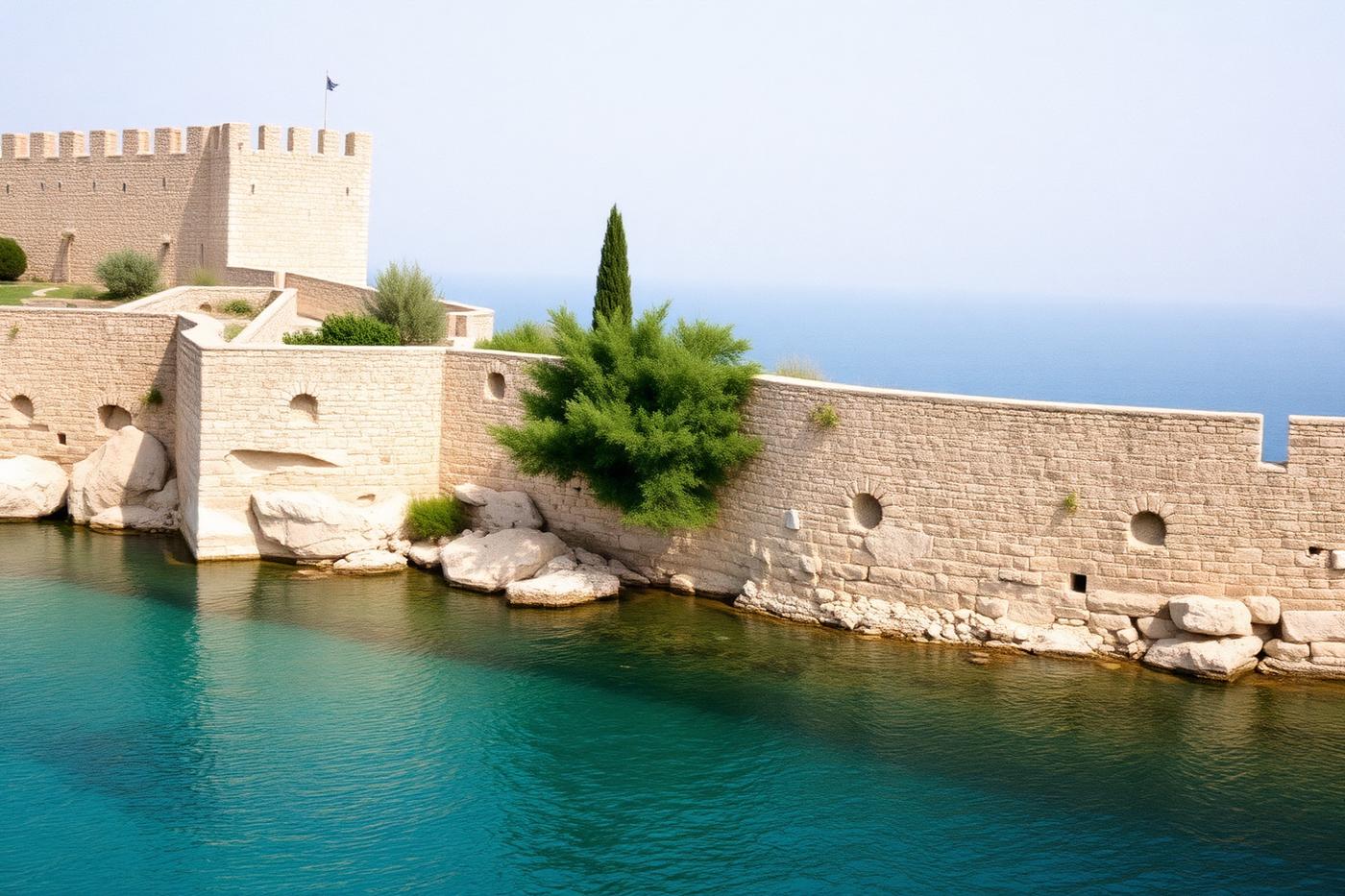
Symi harbour - Image slotThe Street of the Knights, after six — Dodecanese. Walked when the ships have sailed, with a guide who can join it to Malta's own story.
- Image slotLindos acropolis at opening — Dodecanese. A Doric temple on a rock above two bays, and the village white below it.
- Image slotThe Nisyros caldera — Dodecanese. Walk onto the floor of an active volcano, hissing and sulphurous, then eat in the village above it.
- Image slotOlymbos, Karpathos — Dodecanese. A ridge village that kept its dress, its ovens and a dialect with pre-classical roots.
Dodecanese
Rhodes, Symi, Patmos, Karpathos, Nisyros. Medieval, Italian, monastic — the Aegean's most layered islands.
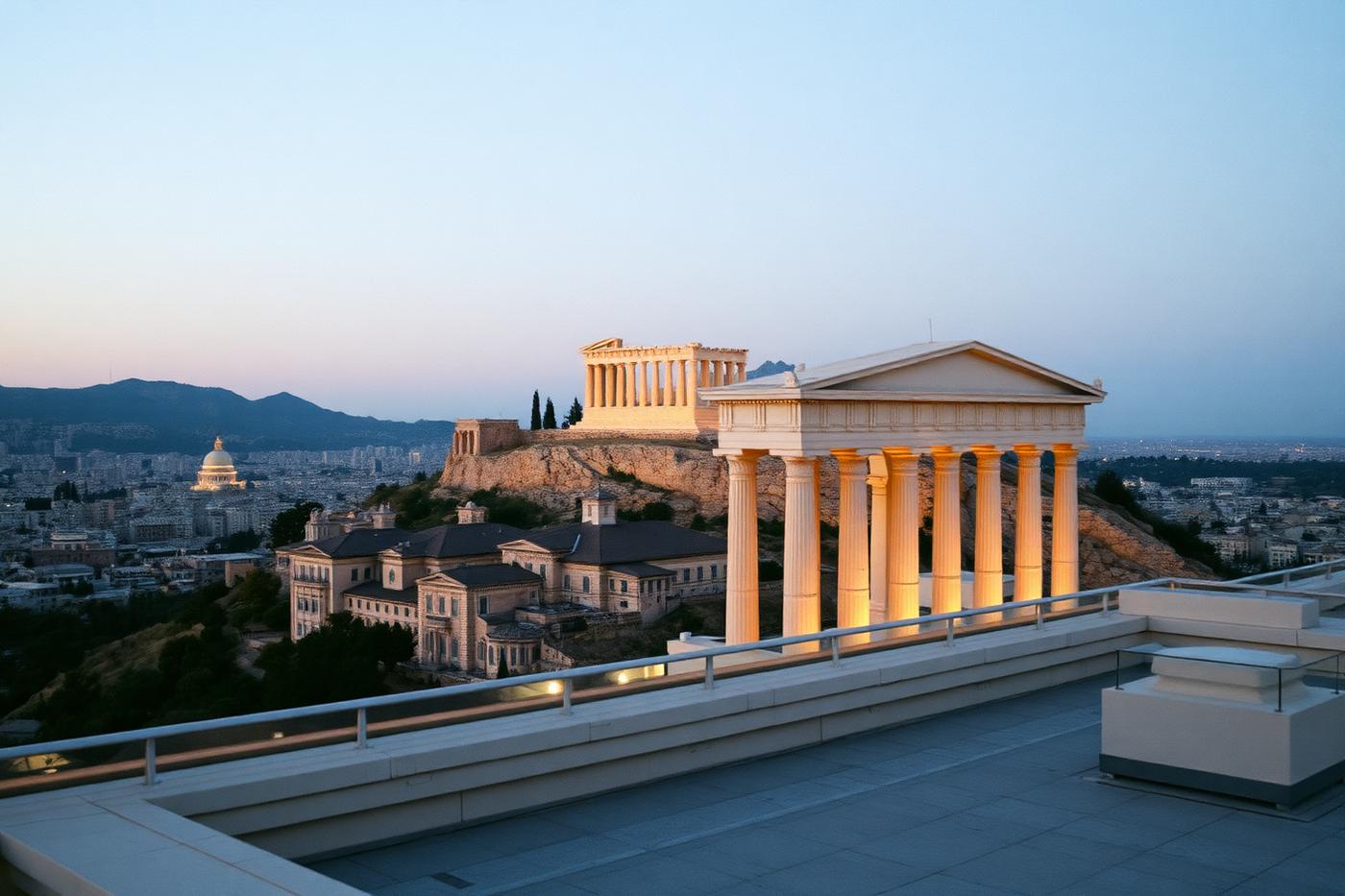
Athens, arrival evening 
Hydra, out of season - Image slotThe Acropolis before the gates open — Athens & Argo-Saronic. First entry with a licensed archaeologist, then the museum, then out before the heat.
- Image slotThe National Archaeological Museum — Athens & Argo-Saronic. Two focused hours with someone who knows it beats four hours alone.
- Image slotCape Sounion at sunset — Athens & Argo-Saronic. The Temple of Poseidon on its headland, with Byron's name cut into a column.
- Image slotEating off the square — Athens & Argo-Saronic. Koukaki and Petralona — the kitchens Athenians keep for themselves.
Athens & Argo-Saronic
The city, the coast below it, and four islands an hour from the port — Hydra, Spetses, Aegina, Poros.
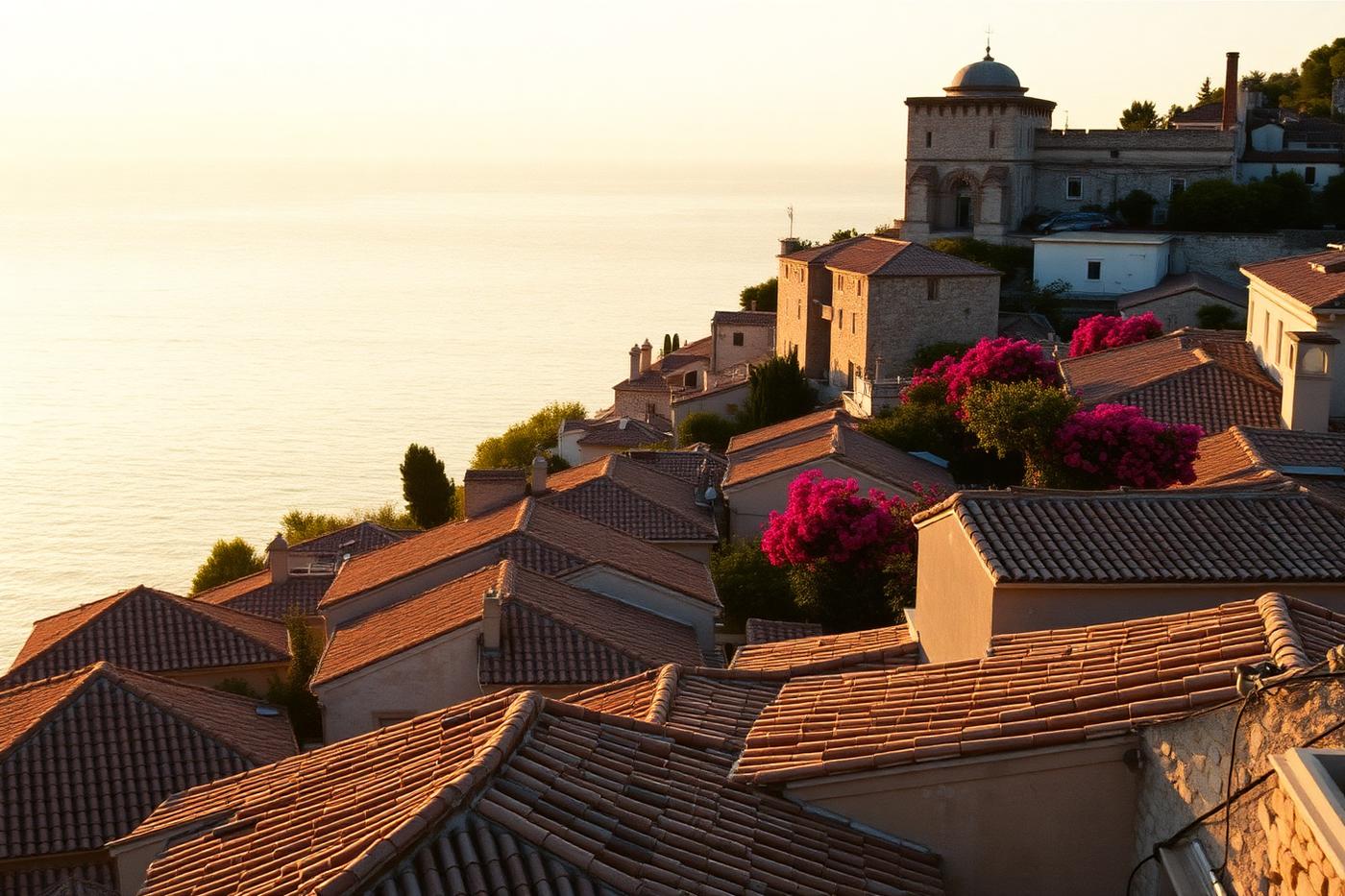
The Mani, late autumn 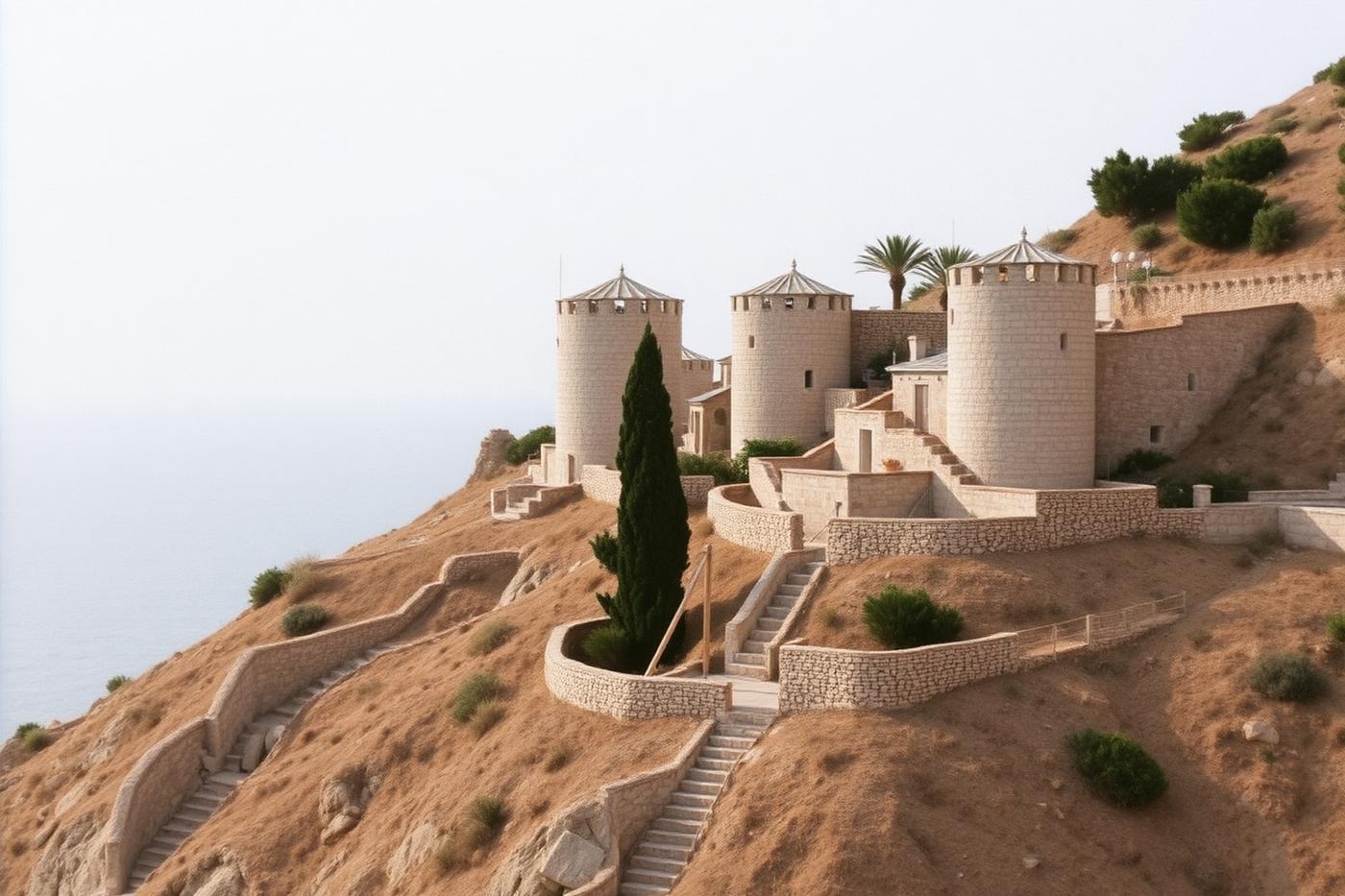
Nafplio - Image slotEpidaurus — Peloponnese. Stand at the centre of the theatre, speak normally, and listen. Summer festival performances still fill it.
- Image slotMystras — Peloponnese. An abandoned Byzantine city on a hillside above Sparta — frescoed churches, a palace, and almost nobody.
- Image slotThe Vyros gorge, Mani — Peloponnese. Old kalderimia from Kardamyli up into the Taygetos, walkable in half a day.
- Image slotNemea in September — Peloponnese. Agiorgitiko at harvest, tasted with the winemaker in the cellar.
Peloponnese
Mycenae, Olympia, Epidaurus, Monemvasia, the Mani. The densest concentration of history in Greece, and you can drive it.
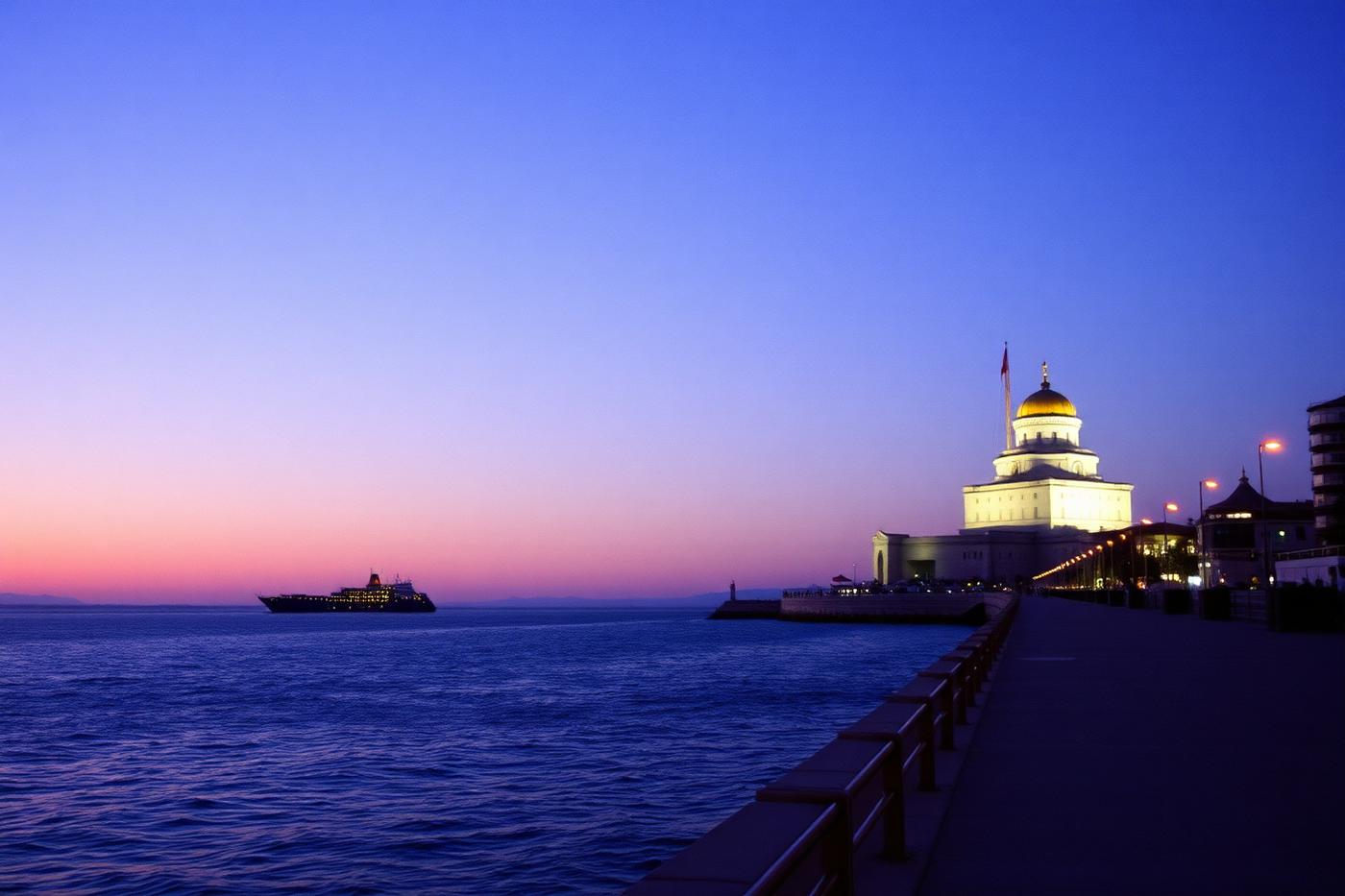
Thessaloniki, evening 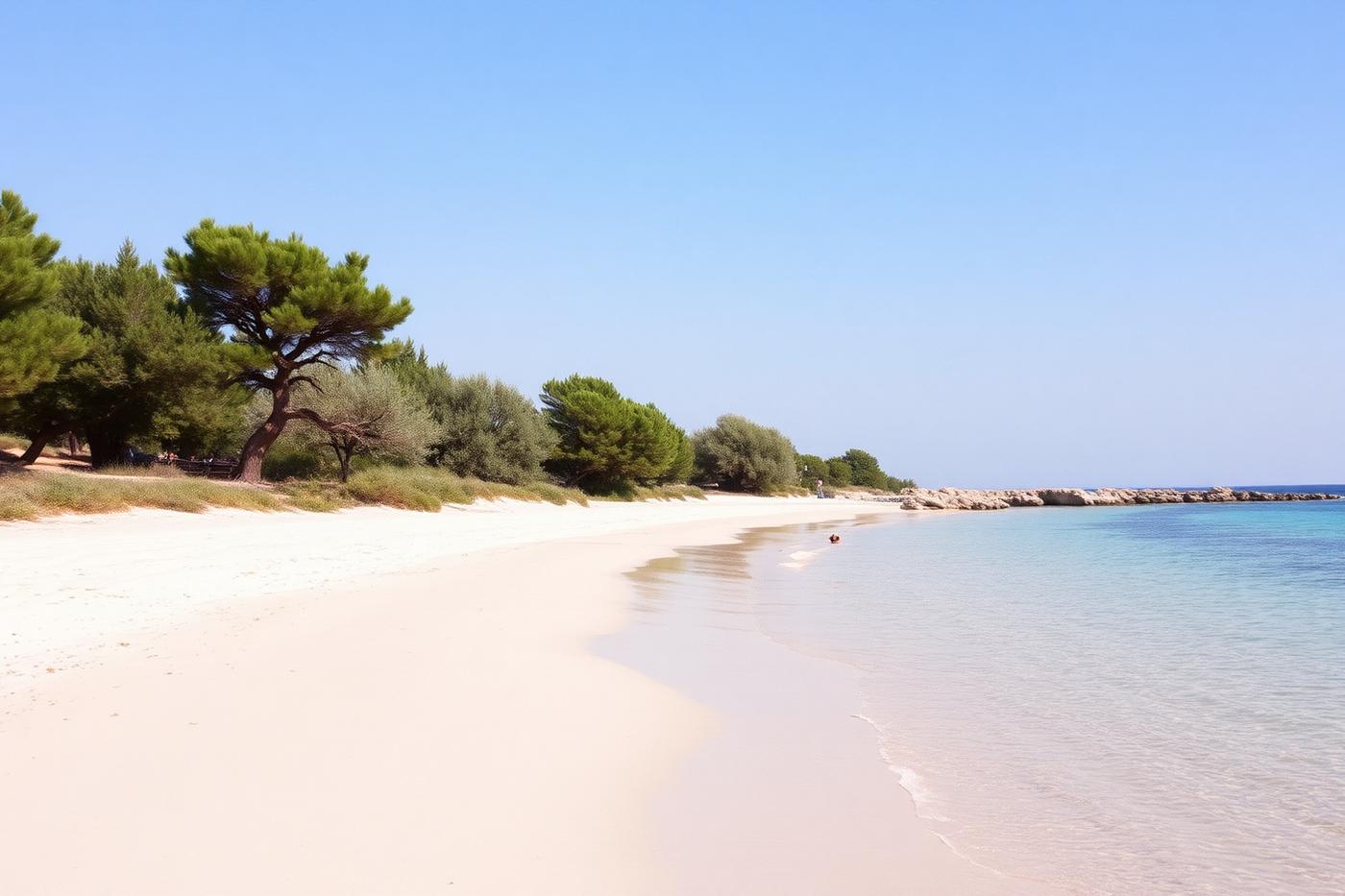
Sithonia, September - Image slotEating Thessaloniki properly — Halkidiki & Thessaloniki. A morning in the markets, bougatsa, and a long evening of small plates in Ladadika.
- Image slotThe Athos coastline by boat — Halkidiki & Thessaloniki. Twenty monasteries seen from the water, some of them a thousand years old.
- Image slotVergina — Halkidiki & Thessaloniki. Descend into the tomb of Philip II, with the grave goods displayed where they were found.
- Image slotSailing Sithonia — Halkidiki & Thessaloniki. Diaporos and the islets off Vourvourou — shallow, clear, and easy water.
Halkidiki & Thessaloniki
Three peninsulas of pine and clear water, and the best eating city in Greece behind them.